
Spring Pet Health Tips From a Vet Johns Island Trusts


Spring Pet Health Tips From a Vet Johns Island Trusts
As the Lowcountry landscape bursts back to life each spring, pet owners across Johns Island, Kiawah, Seabrook, and surrounding areas start to notice their pets growing more active—and sometimes, a bit more mischievous. After a winter spent indoors, dogs and cats are eager to explore the longer days, blooming gardens, and new scents that come with the season. But as any experienced vet Johns Island residents trust will tell you, springtime also brings unique health challenges for our furry friends. At Angel Oak Animal Hospital, located at 3160 Maybank Highway, Johns Island, SC 29455, our veterinary team is committed to helping you keep your pet healthy and happy all season long. In this guide, we’ll share top springtime pet health tips, explain the most common seasonal risks, highlight the importance of preventive care, and show you how our comprehensive services—including wellness exams, dental care, and allergy support—can make a difference for your pet’s well-being.
Recognizing Springtime Risks for Pets: What to Watch For
Spring in the Carolinas means warm breezes, new growth, and plenty of opportunities for pets to be outside. However, it also introduces new risks that every pet owner should be aware of. During this time of year, pets may experience increased exposure to outdoor allergens, encounter more insects such as fleas, ticks, and mosquitoes, and run into hazards like toxic plants or garden chemicals. Common signs that your pet might be struggling with spring-related issues include excessive scratching, watery eyes, sneezing, or changes in energy levels. Additionally, you might notice your dog or cat chewing or licking their paws more often, developing skin redness, or losing patches of fur. For some pets, spring can also mean the onset of dental discomfort, as chewing on sticks or outdoor objects can aggravate underlying dental problems.
If you observe any of these changes in your pet’s behavior or health, it’s important to pay attention. Early identification of symptoms can help you address problems before they become serious. For example, a cat who suddenly starts sneezing or a dog who is constantly scratching at his ears may be reacting to seasonal allergens or developing an infection that requires veterinary attention.
Why Do Pets Struggle With Spring? Understanding the Causes
Spring brings a perfect storm of environmental changes that can impact your pet’s health. Warmer temperatures and increased humidity in Johns Island provide ideal conditions for parasites such as fleas, ticks, and mosquitoes to thrive. These insects not only make your pet uncomfortable but can also transmit serious diseases, including heartworm and Lyme disease.
Another major factor is the explosion of pollen and mold spores in the air. Just like people, many pets are sensitive to environmental allergens. Dogs and cats can develop allergic reactions to grass, tree pollens, and even dust, leading to symptoms like itching, sneezing, or red, irritated skin. Springtime gardening can also introduce hazards, as fertilizers, pesticides, and certain plants are toxic to pets if ingested.
Dental health concerns may also become more apparent in spring, especially as pets spend more time outside. Chewing on sticks, rocks, or other objects can worsen existing dental issues or cause new injuries. Without regular dental care, problems such as tartar buildup, gum inflammation, or broken teeth may go unnoticed until they cause pain or infection.
Understanding these seasonal risks allows you to take proactive steps to protect your pet and ensure they enjoy everything Johns Island’s spring has to offer.
Springtime Pet Care: How a Vet Johns Island Relies On Can Help
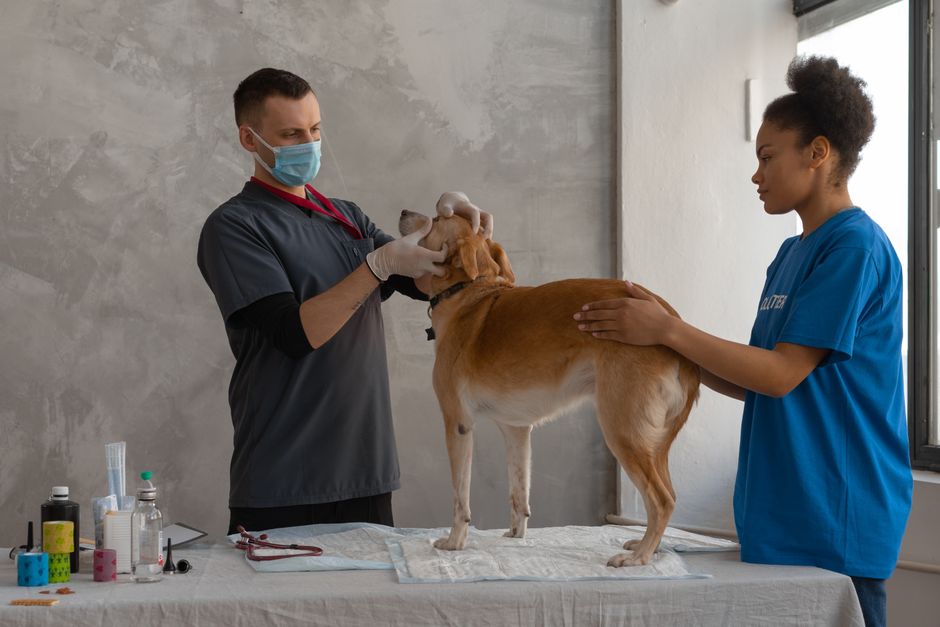
Our veterinary team at Angel Oak Animal Hospital takes a comprehensive approach to spring pet care, combining preventive wellness, advanced diagnostics, and compassionate treatment. One of the most important steps you can take for your pet is scheduling a wellness examination at the start of spring. During this visit, our veterinarians will perform a thorough health check, discuss any changes you’ve noticed, and recommend appropriate vaccinations or preventive treatments. Learn more about what’s included in a comprehensive pet exam and why these visits are essential for early detection.
Spring is also an ideal time to focus on dental health. Our veterinary professionals provide professional pet dental cleaning services that remove tartar, check for hidden tooth problems, and prevent oral disease from affecting your pet’s overall health. If your pet displays signs of dental discomfort—such as bad breath, drooling, or reluctance to eat—seek veterinary attention promptly.
In addition to dental and routine care, we help protect your pet from springtime parasites. Our team will recommend monthly flea, tick, and heartworm preventives tailored to your pet’s lifestyle and risk factors. For pets with allergy symptoms, we offer veterinary dermatology services to provide relief from itching and discomfort. Our diagnostic laboratory can quickly identify underlying conditions, ensuring your pet receives the right treatment as soon as possible.
Home Care Tips: Keeping Your Pet Safe and Healthy This Spring
While veterinary care is essential, there are many ways you can support your pet’s health at home during the spring months. Start by keeping up with regular grooming to remove loose fur, dirt, and potential allergens from your pet’s coat. Wipe your pet’s paws after walks to wash away pollen or chemicals, and check their skin for signs of irritation, bumps, or ticks. Maintaining a consistent flea and tick prevention routine is crucial; ask your veterinarian for the best options based on your pet’s needs.
Monitor your yard and garden for toxic plants, sharp objects, or areas where standing water can attract mosquitoes. If you use fertilizers or pesticides, keep pets away from treated areas until it’s safe. For dental health, provide safe chew toys and avoid letting your pet gnaw on sticks or rocks, which can damage teeth.
Nutrition plays a vital role in supporting your pet’s immune system and skin health. Feed a high-quality diet appropriate for your pet’s age and activity level, and ensure fresh water is always available. Keeping your pet active with daily walks or playtime helps maintain a healthy weight and reduces boredom-related behaviors.
Finally, keep an eye on your pet’s behavior. Sudden changes in appetite, energy, or mood can signal an underlying health problem that requires veterinary evaluation. Early intervention is key to a speedy recovery and long-term well-being.
When Should You Seek Veterinary Care During Spring?
Knowing when to call your veterinarian is just as important as home care. Contact our veterinary team if your pet develops persistent symptoms such as itching, hair loss, ear shaking, or skin redness, as these can indicate allergies, infections, or parasites that require medical attention. Difficulty breathing, vomiting, diarrhea, or sudden lethargy are signs of more serious issues that should never be ignored.
If you find a tick attached to your pet, remove it carefully and schedule a check-up to ensure no diseases were transmitted. Pets who eat something potentially toxic—such as certain plants or garden chemicals—should be brought in immediately for evaluation.
Dental emergencies, including broken teeth, bleeding gums, or refusal to eat, also warrant prompt professional care. Our veterinarians will evaluate your pet and recommend the appropriate course of treatment, from medication to dental procedures.
Remember that preventive care is always preferable to reactive care. Scheduling a spring wellness examination, updating vaccinations, and keeping up with parasite prevention can help your pet avoid many of the most common seasonal problems. If you’re ever unsure whether your pet’s symptoms require a visit, our veterinary professionals are happy to provide guidance and support.
Spring Into Action: Partner With a Trusted Vet Johns Island Pet Owners Rely On
Spring is a time of renewal for both people and pets, and with a little planning, you can help your furry companion enjoy the season to its fullest. By being proactive about wellness care, staying alert to signs of allergies or parasites, and prioritizing dental health, you set the stage for a happy, healthy spring. Remember that our veterinarians at Angel Oak Animal Hospital are here to support you every step of the way, offering compassionate care and expert advice tailored to the needs of pets in Johns Island, Kiawah, Seabrook, and surrounding areas.
If you have questions about your pet’s health, need to schedule a spring check-up, or want to discuss prevention strategies with a trusted vet near me, we invite you to reach out. Schedule an appointment today by calling (843) 559-1838, or visit us at 3160 Maybank Highway, Johns Island, SC 29455. To learn more about our professional pet dental cleaning services, comprehensive pet exams, or veterinary dermatology services, visit our website at angeloakpet.com. Your pet’s best spring starts with the dedicated care of a vet Johns Island families trust.
This blog is intended for informational purposes only and should not replace individualized veterinary advice. Always consult your veterinarian for specific questions about your pet’s health.