How to Safely Enjoy Fall With Your Pet: Vet Johns Island Advice

How to Safely Enjoy Fall With Your Pet: Vet Johns Island Advice
Autumn on Johns Island brings beautiful changes—cooler breezes, vibrant leaves, and the perfect opportunity for you and your pet to enjoy time outdoors. However, fall also introduces unique seasonal hazards that every pet owner should be aware of. At Angel Oak Animal Hospital, your trusted vet Johns Island, we want to help you make the most of this season while keeping your dog or cat healthy and safe. In this comprehensive guide, you’ll discover how to recognize seasonal risks, manage common skin issues, protect against hidden dangers, and ensure your pet’s wellbeing with preventive care. Whether you’re strolling the shaded trails of Johns Island or curling up at home with your furry companion, our veterinary team is here to support you every step of the way.
Recognizing Fall Hazards for Pets on Johns Island
As the temperatures drop and humidity shifts, your pet’s environment changes in subtle but important ways. Key signs that your dog or cat may be affected by fall hazards include increased scratching, sneezing, or licking, especially if your pet has a history of allergies. You might notice your pet shedding more, developing dry or irritated skin, or experiencing changes in appetite or energy levels as the seasons shift. Outdoor pets may be exposed to mold spores from fallen leaves, mushroom growth in the yard, or acorns on your daily walks. Additionally, holiday foods and decorations can introduce new risks, from chocolate and xylitol toxicity to tinsel and string ingestion in playful cats.
If you notice symptoms such as persistent itching, hair loss, sneezing, coughing, vomiting, diarrhea, or sudden lethargy, these can signal a reaction to seasonal allergens, dietary indiscretions, or accidental toxin exposure. Early recognition of these signs helps prevent more serious health issues and ensures your pet stays comfortable as fall progresses.
Why Fall Brings Unique Pet Health Challenges
The mild autumn climate on Johns Island can be deceptive; while the weather is comfortable for outdoor activities, it also creates ideal conditions for certain hazards. Mold spores thrive in damp piles of leaves, while certain mushrooms become more prevalent and can be highly toxic if ingested. Acorns, which litter many yards and parks, pose a choking risk and can cause digestive upset or even kidney damage in some pets.
In addition, fall is a peak season for environmental allergies. Ragweed, pollen, and dust can all contribute to itchy skin and respiratory symptoms in sensitive pets. Indoor allergens may also increase as we spend more time inside with the windows closed, leading to more frequent flare-ups of skin and ear issues. Fleas and ticks remain active well into fall in the Lowcountry, so lapses in parasite prevention can leave your pet vulnerable to bites and disease transmission.
Finally, with the arrival of Halloween and Thanksgiving, pets are at risk of ingesting foods that are toxic or difficult to digest, such as chocolate, grapes, onions, garlic, and fatty table scraps. Decorations like candles, potpourri, and small toys can also tempt curious animals and lead to accidental injuries or poisonings.
Managing Seasonal Skin Issues and Allergies
One of the most common reasons pet owners visit their vet Johns Island in the fall is for help with skin problems and allergies. Symptoms include excessive scratching, licking of the paws, red or inflamed skin, ear infections, and sometimes even hair loss or hot spots. These issues can be triggered or worsened by increased exposure to outdoor allergens, mold, and even fleas, which are still active in our region well into autumn.
Our veterinary team at Angel Oak Animal Hospital is experienced in diagnosing and treating seasonal skin issues. Management approaches often begin with a thorough physical examination and may involve allergy testing or skin scrapings to identify the root cause. Treatment options can include medicated shampoos, oral or topical medications to reduce itching and inflammation, and guidance on environmental management to minimize allergen exposure.
Many pets benefit from regular bathing with gentle, hypoallergenic cleansers, increased vacuuming of the home, and prompt washing of bedding. If your pet’s symptoms persist or worsen, our veterinary dermatology services can help you develop a customized care plan to keep your pet comfortable all season long.
Fall Prevention and Home Care Tips for Pet Owners
Keeping your pet safe during autumn starts with a few simple but important routines. First, continue your regular parasite prevention program; fleas, ticks, and mosquitoes are still a threat in Johns Island’s mild climate. Check your pet’s fur and skin after walks, especially after spending time in wooded or grassy areas, and promptly remove any debris or insects you find.
When raking leaves, be sure to promptly dispose of piles, as decaying leaves harbor mold and bacteria that can irritate your pet’s skin and respiratory system. Prevent your pet from eating mushrooms, acorns, or other unfamiliar yard debris, and supervise outdoor time to avoid accidental ingestion of toxic plants or substances.
At home, keep holiday foods and decorations out of reach, and educate family members about foods that are dangerous to pets. Regularly wash your pet’s bedding and toys to minimize indoor allergens, and consider using an air purifier to improve air quality during the cooler months. For cats, provide alternative enrichment to keep them active indoors, as they may be less interested in outdoor exploration as temperatures drop.
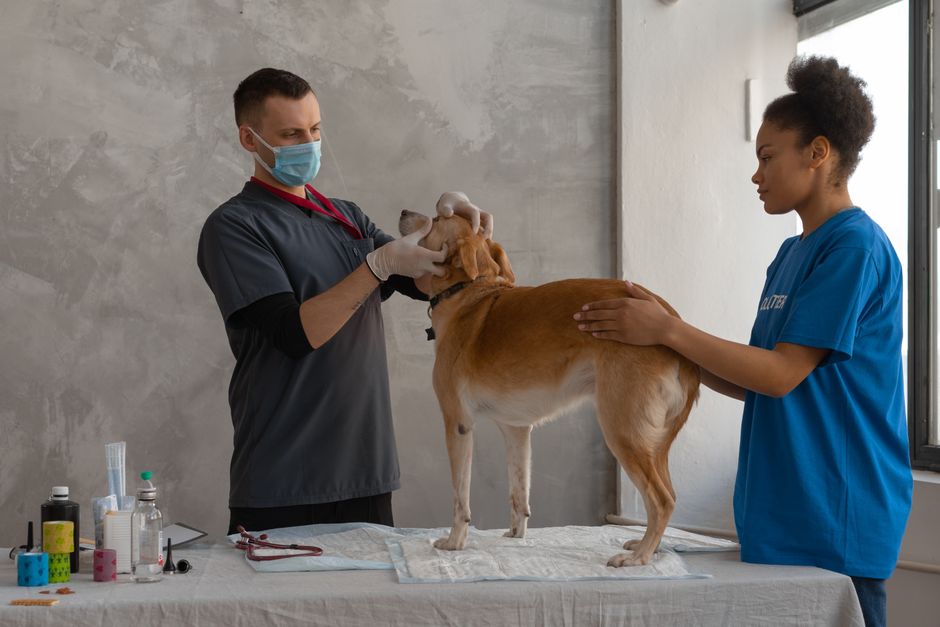
Most importantly, schedule your pet’s annual wellness examination with our team. These comprehensive pet exams allow us to catch seasonal issues early, update vaccinations, and discuss any concerns you have about your dog or cat’s health as the seasons change.
When to Seek Veterinary Care
While many fall hazards can be prevented with vigilance and home care, some situations require prompt attention from your vet Johns Island. Contact Angel Oak Animal Hospital if your pet experiences symptoms such as persistent vomiting or diarrhea, difficulty breathing, sudden swelling of the face or muzzle, collapse, or unresponsiveness. These could indicate serious allergic reactions, toxin ingestion, or other emergencies.
Other signs that prompt a veterinary visit include ongoing skin irritation that does not improve with bathing, signs of ear infection such as head shaking or odor, sudden lameness, or any change in behavior or appetite that lasts more than a day. Our veterinary professionals are here to provide urgent care for pets experiencing illness or injury related to seasonal hazards. If you are unsure whether your pet’s symptoms require immediate attention, err on the side of caution and call our office for guidance.
For pet owners who want to stay proactive, our team also offers pet vaccination services to help protect your dog or cat from preventable diseases that can be more easily transmitted when pets are active outdoors in the fall.
Keeping Your Pet Healthy With Your Vet Johns Island
Autumn is a wonderful time to create memories with your pet, whether you’re enjoying a family walk or simply savoring cozy evenings at home. By staying alert to seasonal risks and working with your vet Johns Island, you can ensure your dog or cat enjoys all the joys that fall has to offer. Preventive care, regular checkups, and early intervention for skin issues or allergies are the best ways to keep your pet healthy and comfortable.
If you’re searching for a “vet near me” who understands the unique needs of pets in Johns Island and surrounding communities, look no further than Angel Oak Animal Hospital. Our veterinary team is committed to compassionate, comprehensive care at every stage of your pet’s life. To schedule your pet’s fall wellness examination, address a seasonal concern, or ask about our dermatology and vaccination services, contact us at (843) 559-1838 or visit us at 3160 Maybank Highway, Johns Island, SC 29455. Your pet’s health and happiness are always our top priority.
Medical Disclaimer: This article is for informational purposes only and does not replace professional veterinary advice. If you have concerns about your pet’s health, please contact your veterinarian.