Preventing Pet Heatstroke: Summer Safety Tips for Johns Island

Preventing Pet Heatstroke: Summer Safety Tips for Johns Island
When the heat of summer settles in across Johns Island and surrounding communities, pet owners often find themselves worrying about how to keep their dogs and cats safe from the dangers of overheating. The combination of high temperatures, steamy humidity, and intense sun creates an environment where heatstroke can quickly become a life-threatening emergency for pets. At Angel Oak Animal Hospital, located at 3160 Maybank Highway, Johns Island, SC 29455, our veterinary team receives calls every summer from concerned pet owners who want to know how to recognize the signs of heatstroke, what to do if their pet is overheating, and—most importantly—how to prevent heat-related emergencies before they start.
In this comprehensive guide, we will walk you through everything you need to know about summer heat safety for your dog or cat. You will learn how to spot the earliest warning signs of heatstroke, understand what puts pets most at risk, discover what to do if your pet overheats, and get practical, veterinarian-approved tips for keeping your furry family members comfortable and cool. If you’re ever unsure about your pet’s health during hot weather, scheduling a wellness examination with our experienced team is a great way to ensure your pet is ready for summer’s challenges.
Recognizing Heatstroke in Dogs and Cats
Understanding how to recognize the symptoms of heatstroke can be lifesaving. Both dogs and cats are susceptible to overheating, but dogs tend to show signs more quickly, especially breeds with short noses, thick coats, or those who are overweight or elderly. Cats, while generally more adept at finding cool spots, can still suffer from heatstroke if trapped in hot environments or during sudden heatwaves.
Common symptoms of heatstroke in pets include panting that is more rapid or intense than usual, excessive drooling, gums that appear bright red or even pale, and weakness or unsteadiness. You may notice your pet becoming lethargic, showing confusion, or even collapsing. Vomiting and diarrhea can occur, sometimes with traces of blood. In severe cases, pets may experience seizures or become unresponsive. It’s important to remember that cats often hide when they feel unwell, so keep an eye out for unusual hiding, restlessness, or rapid breathing.
If your pet exhibits any of these symptoms, especially after time outdoors or in a warm environment, take immediate action to help cool them down and contact your veterinarian.
Why Pets Overheat: Understanding the Causes
Pets do not regulate their body temperature in the same way humans do. Dogs and cats primarily cool themselves through panting and a small amount of sweating through their paw pads. This system is less efficient than human sweating, making pets more vulnerable to overheating during periods of high heat and humidity.
Several factors can increase the risk of heatstroke. Pets left in parked cars, even for a few minutes, can quickly succumb to dangerous temperatures, as the interior of a vehicle can become much hotter than the outside air. Outdoor activities such as walks, hikes, or playtime during the hottest part of the day can also put pets at risk. Certain breeds, particularly brachycephalic dogs like bulldogs and pugs, have a harder time cooling off due to their unique anatomy. Overweight or elderly pets, those with heart or respiratory problems, and pets with thick or dark coats are also more likely to develop heatstroke. Even indoor pets are at risk if air conditioning fails or if they are confined to poorly ventilated spaces.
Understanding these risk factors allows you to make informed decisions about when and how your pet enjoys the outdoors, especially during Johns Island’s hot and humid summer months.
What to Do if Your Pet Overheats: Immediate Actions and Veterinary Care
If you suspect your dog or cat is suffering from heatstroke, immediate action is critical. First, move your pet to a cooler area, such as an air-conditioned room or a shaded, well-ventilated spot. Offer fresh, cool (not ice-cold) water for your pet to drink, but do not force them to drink if they are not interested. You can use cool, damp towels to gently wipe your pet’s body, focusing on their belly, paws, and underarms, or use a fan to help with evaporative cooling. Never use ice water or immerse your pet in ice, as this can cause shock.
While providing first aid at home is important, heatstroke is a medical emergency. Even if your pet seems to improve, internal organ damage can occur rapidly. Contact your veterinarian right away for further instructions. At Angel Oak Animal Hospital, our veterinary professionals are trained to provide supportive care, such as intravenous fluids, oxygen therapy, and careful monitoring of organ function. For pets in distress outside of regular hours, or if your pet’s symptoms are severe, do not wait to seek help. Our team can provide urgent care and guide you on the next steps to ensure your pet receives the treatment they need.
If your pet has experienced heatstroke before or you have concerns about their risk factors, discussing these during a comprehensive pet exam can help you develop a prevention plan tailored to your pet’s individual needs.
Proactive Steps to Prevent Heatstroke at Home
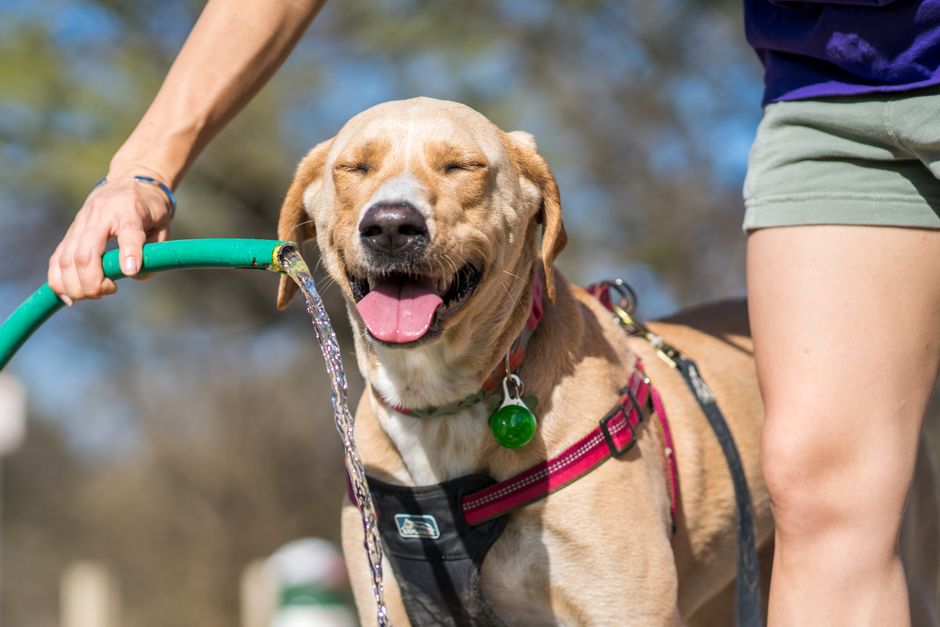
Prevention is always better than cure when it comes to heatstroke. Keeping your pets safe during the summer starts with planning and awareness. Schedule outdoor activities for early morning or late evening, when temperatures are cooler and humidity is lower. Always provide access to fresh, cool water and shaded areas, whether your pet is indoors or outside. For dogs, walks on hot pavement can cause burns to sensitive paw pads and contribute to overheating, so try to keep walks brief and stick to grassy or shaded routes.
At home, make sure your pet’s living space stays cool and well ventilated. Use fans or air conditioning when possible, and never leave pets in parked cars, even for a short time. If you must be away, consider leaving pets indoors during the hottest parts of the day or arranging for a pet sitter to check on them. For cats, create cool resting spots by closing blinds, providing tile floors, or setting up fans in safe locations.
Special attention should be given to pets with higher risk factors, such as older pets or those with chronic health conditions. If you have an older dog or cat, our veterinary team at Angel Oak Animal Hospital also offers specialized geriatric care to help manage their unique needs and keep them comfortable year-round.
When to Seek Professional Veterinary Care
Knowing when to seek help can make a vital difference in your pet’s outcome. If your pet shows any signs of heatstroke—such as excessive panting, drooling, weakness, vomiting, or unresponsiveness—do not delay in contacting your veterinarian. Early intervention can prevent serious complications and improve your pet’s chances of a full recovery. If you are unsure whether your pet’s symptoms are related to heat or another health issue, it is always best to err on the side of caution and call for professional advice.
For pets with pre-existing health conditions, even mild symptoms should prompt a veterinary visit. If you are searching for a veterinarian near me who understands the unique challenges of Johns Island’s climate, our compassionate team at Angel Oak Animal Hospital is ready to help. We encourage you to reach out by phone or schedule an appointment if you have any concerns about your pet’s health or safety this summer.
Keeping Your Pets Safe All Summer Long
Summer on Johns Island brings plenty of sunshine and outdoor fun, but it also means taking extra precautions to keep your pets safe from heatstroke. By recognizing the signs of overheating, understanding the risk factors, taking proactive steps at home, and knowing when to seek veterinary care, you can help your dog or cat enjoy a safe, happy, and healthy season.
At Angel Oak Animal Hospital, our dedicated veterinary team is here to support you every step of the way. Whether you need advice on summer safety, want to schedule a wellness examination, or have questions about your pet’s risk factors, our team is always happy to help. If you are worried about your pet’s health or want to discuss a personalized prevention plan, call us at (843) 559-1838 or visit us at 3160 Maybank Highway, Johns Island, SC 29455. For more detailed information about our wellness examination services or specialized geriatric care, our website offers additional resources for pet owners in Johns Island and the surrounding area.
Remember, your vigilance and prompt action can make all the difference during hot summer days. Partner with your local veterinary team at Angel Oak Animal Hospital to keep your beloved pets cool, safe, and thriving this season and beyond.