What to Expect When Your Pet Needs Surgery in Johns Island

What to Expect When Your Pet Needs Surgery in Johns Island
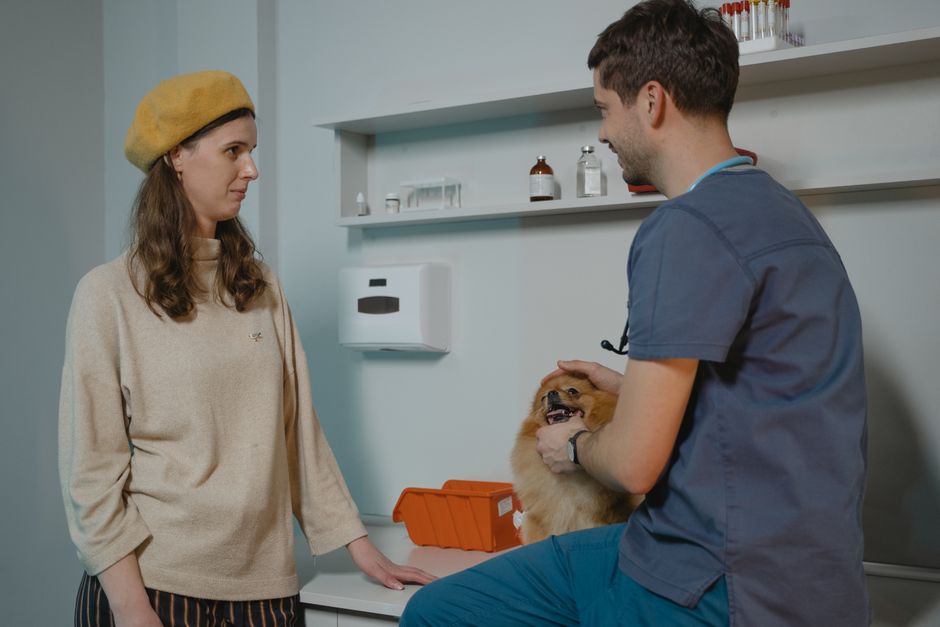
Facing the news that your pet needs surgery can be overwhelming. Whether your dog requires a routine spay or neuter, your cat needs dental surgery, or your companion needs a more complex soft tissue procedure, knowing what to expect can help ease your worries. At Angel Oak Animal Hospital, located at 3160 Maybank Highway, Johns Island, SC 29455, our team of veterinarians is dedicated to guiding you and your pet through every step of the surgical process. This blog will walk you through how to prepare your pet for surgery, what happens on the day of the procedure, and how our caring team ensures safe and compassionate care from start to finish. We will also discuss recovery at home and answer common questions, helping you feel confident as you support your pet through their surgical journey. If you have questions at any point, our veterinary team is always here to help you make informed decisions for your pet’s health.
How Do You Know If Your Pet Needs Surgery?
Recognizing when surgery is necessary can be stressful for pet owners. Most often, your veterinarian will recommend surgery during a routine exam or after diagnosing a specific condition. Common reasons pets need surgical intervention include spaying and neutering, the removal of lumps or masses, dental procedures such as tooth extractions, gastrointestinal issues, foreign body removal, or soft tissue trauma. Sometimes, symptoms that lead to a surgical recommendation include persistent limping, unexplained swelling, difficulty eating, or changes in urinary or bowel habits. At other times, your pet may need urgent care for sudden injuries or acute medical conditions.
If your pet is scheduled for a procedure at Angel Oak Animal Hospital, rest assured that our experienced veterinary team will thoroughly explain why surgery is being recommended and what outcomes can be expected. For more details about the types of procedures we perform, you can learn about our pet soft tissue surgery services and dental surgery options.
Understanding Why Surgery May Be Needed
Pets may require surgery for a variety of reasons, each with its own set of considerations. Preventive surgeries, such as spaying and neutering, are recommended for most dogs and cats to prevent unwanted litters, reduce the risk of certain cancers, and address behavioral concerns. Dental surgery is often needed to address severe periodontal disease, fractured teeth, or oral tumors, which can cause significant pain and infection if left untreated. Soft tissue surgeries can involve the removal of masses, the repair of wounds, or treatment of internal organ problems such as bladder stones or gastrointestinal blockages. In some cases, surgery is the only option to resolve an urgent health issue and restore your pet’s comfort and quality of life.
Chronic health issues and age-related conditions may also make surgery necessary. For example, older pets may develop tumors that require removal, or dental disease that cannot be managed through cleaning alone. Our team will always discuss the risks and benefits of surgery with you, taking into account your pet’s age, overall health, and specific diagnosis. If your pet is a senior, you may want to learn more about our specialized geriatric care, which helps us tailor anesthesia and surgical protocols for aging pets.
Preparing Your Pet for Surgery
Once surgery is scheduled, preparing your pet is a crucial step in ensuring their safety and comfort. Before the day of the procedure, you will receive detailed instructions from our veterinarians. These typically include fasting your pet for a specified period; usually, food is withheld for 8-12 hours prior to anesthesia to reduce the risk of vomiting and aspiration. Water may sometimes be allowed up to a few hours before the procedure, but our team will clarify exact guidelines based on your pet’s age and medical needs.
If your pet takes daily medications, you will need to discuss with our veterinarians whether to give them on the morning of surgery. Special considerations are often made for diabetic pets or those with chronic health problems. For pets with anxiety, we may recommend bringing a favorite blanket or toy to help them feel secure.
On surgery day, you will check your pet in at our Johns Island location where our caring team will greet you and your pet. You will be asked to review and sign consent forms, and our veterinarians may answer any last-minute questions you have. Pre-anesthetic bloodwork is often performed to assess your pet’s liver, kidney, and heart function, ensuring that anesthesia will be as safe as possible. These tests help us customize anesthesia and pain management for your pet’s individual needs.
If you are new to our hospital, we encourage you to complete our new patient form in advance.
What Happens During Your Pet’s Surgery?
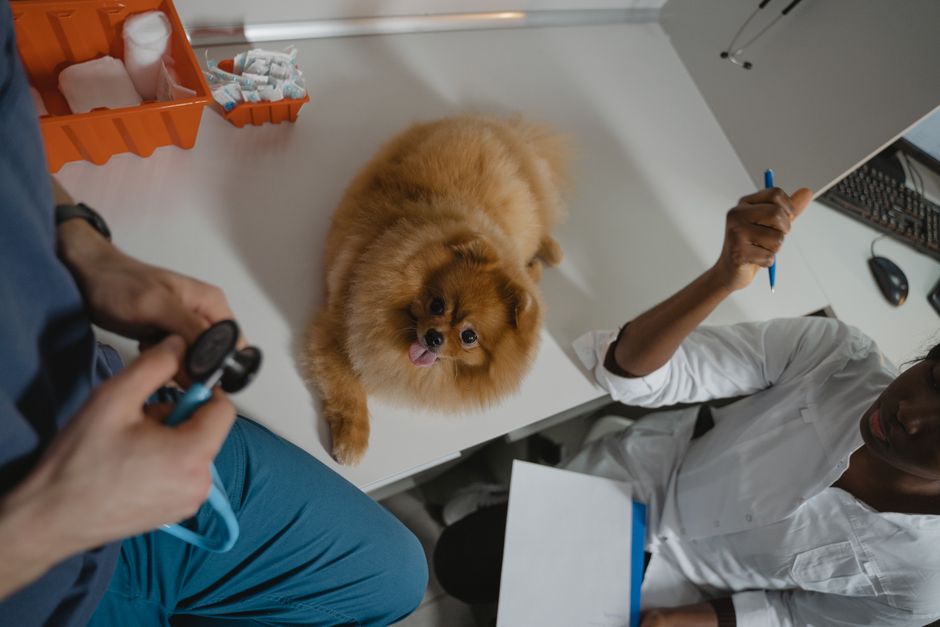
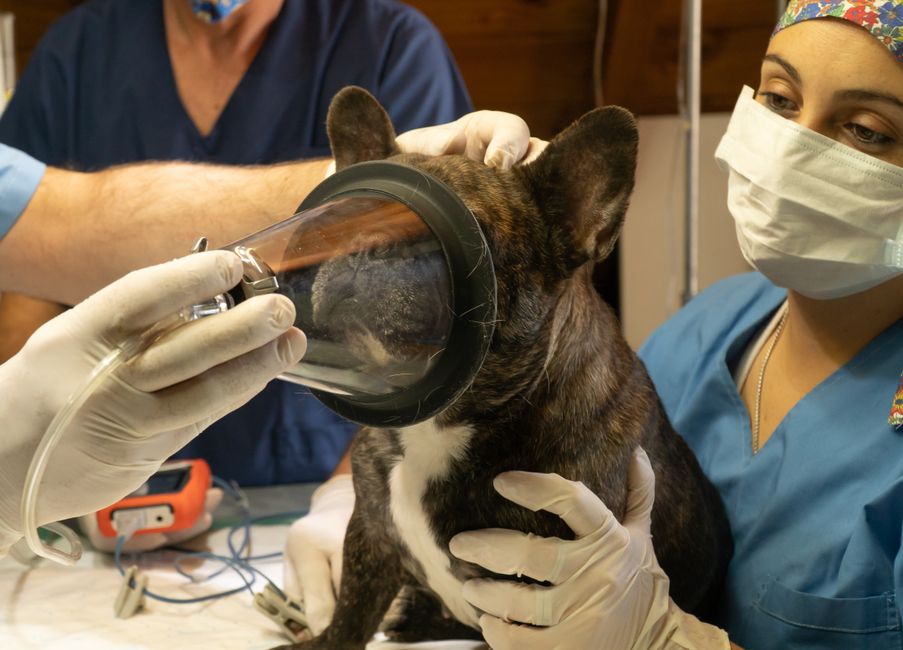
On the day of your pet’s surgery, our team follows a careful, step-by-step protocol to maximize safety and comfort. After you say goodbye, your pet will be admitted to a quiet, comfortable area where they receive a pre-surgical exam. This includes checking vital signs and reviewing recent bloodwork. Our veterinary nurses will place an intravenous catheter to administer fluids and medications.
Your pet will receive a tailored anesthesia plan, taking into account their age, breed, and health status. Throughout the procedure, vital signs such as heart rate, blood pressure, oxygen levels, and temperature are continuously monitored by our veterinary professionals. Pain management is a top priority, so we use a combination of medications before, during, and after surgery to keep your pet as comfortable as possible.
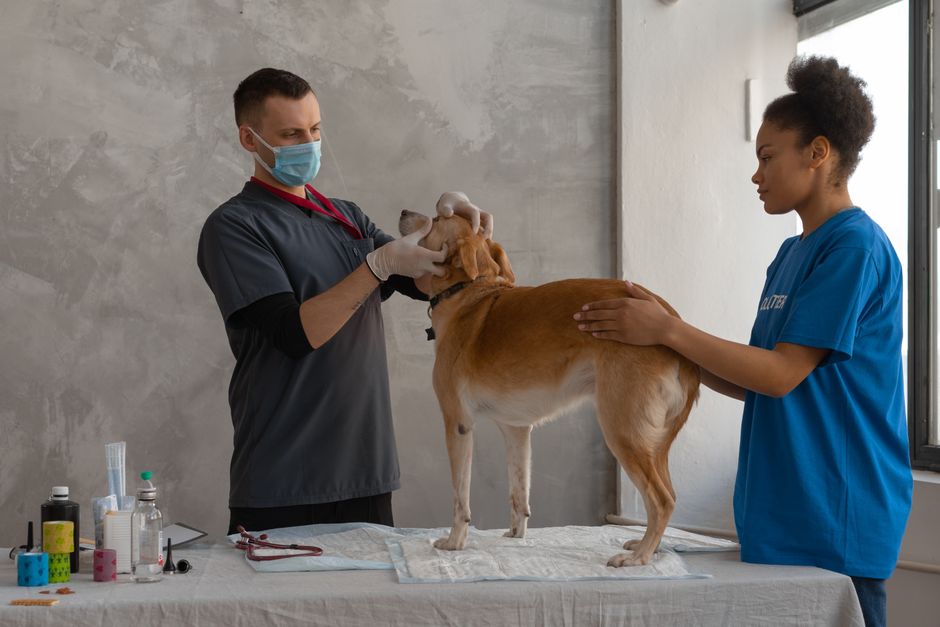
For procedures like spay and neuter, dental extractions, or mass removals, our veterinarians use advanced surgical techniques and modern equipment. We may utilize digital radiology or intraoperative imaging to ensure precision and safety. If your pet is undergoing dental surgery, dental radiographs are used to check for hidden problems below the gumline. You can read more about our professional pet dental cleaning services and how they support overall oral health.
After the procedure is complete, your pet is moved to a recovery area where our veterinary team closely monitors their return to consciousness. Most pets can go home the same day, but some may require an overnight stay for observation, especially after more involved surgeries.
What to Expect After Surgery: Recovery and Home Care
Once your pet is ready to go home, you will receive detailed discharge instructions tailored to your pet’s procedure and individual needs. These instructions typically include recommendations for rest, activity restriction, and pain management. You may need to limit your pet’s exercise, keep them indoors, and prevent jumping or rough play while they heal. An e-collar (cone) may be provided to prevent licking or chewing at the incision site.
Medications are often prescribed to manage pain and reduce the risk of infection. Giving these exactly as directed is critical for your pet’s comfort and recovery. Our team will also explain how to check your pet’s incision for signs of redness, swelling, or discharge, which may indicate infection or delayed healing.
Feeding instructions may vary. Some pets have a reduced appetite after anesthesia, so offering small, bland meals during the first day is usually recommended. Always provide fresh water and ensure your pet is urinating and defecating normally. If you have any concerns about your pet’s behavior, appetite, or incision site, our veterinarians are just a phone call away.
Follow-up appointments are an important part of the recovery process. These visits allow us to monitor healing, remove sutures if needed, and ensure your pet is returning to normal activities. For dental surgeries, we may recommend ongoing home dental care and periodic professional dental cleanings to maintain a healthy mouth after recovery.
How to Support Your Pet’s Recovery at Home
Your role in your pet’s recovery is vital. Creating a quiet, comfortable space for rest helps minimize stress and encourages healing. Keep other pets and young children away from your recovering pet, and provide gentle reassurance with calm attention. Administer any prescribed medications on schedule and follow your veterinarian’s instructions closely.
Monitor your pet for changes in appetite, energy level, and behavior. Warning signs that warrant a call to our team include persistent vomiting, diarrhea, lethargy, reluctance to move, or signs of pain that are not adequately controlled by medication. You should also contact us if you notice bleeding, swelling, or discharge from the incision site, or if your pet chews or removes stitches.
Some pets bounce back quickly, while others need a little extra time and patience. If you ever feel unsure about your pet’s progress, we welcome your questions. You can find answers to common concerns by visiting our frequently asked questions page.
When Should You Call the Veterinary Team?
Knowing when to seek veterinary care after surgery is important for your pet’s safety. Immediate attention is needed if your pet has difficulty breathing, collapses, has seizures, or experiences severe bleeding. Less urgent but still important reasons to call include loss of appetite for more than 24 hours, persistent vomiting or diarrhea, signs of pain, or changes at the incision site such as redness, swelling, warmth, or discharge.
If you notice any of these warning signs, contact Angel Oak Animal Hospital at (843) 559-1838 right away. Our team of veterinarians is here to provide guidance, reassurance, and follow-up care as needed.
Why Choose Angel Oak Animal Hospital for Your Pet’s Surgery?
Choosing a veterinary team you trust is one of the most important steps in your pet’s surgical journey. At Angel Oak Animal Hospital, we combine advanced technology with compassionate care to provide the highest standard of surgical services for dogs and cats in Johns Island and surrounding communities. From the moment you schedule your pet’s procedure to the final follow-up appointment, you can count on our veterinarians to keep you informed, answer your questions, and tailor care to your pet’s unique needs.
When searching for a veterinarian near me, look for a practice with a commitment to safety, transparent communication, and a proven track record of surgical excellence. If your pet is facing surgery, we invite you to schedule an appointment with our experienced veterinary professionals. You can learn more about our wellness examinations, urgent care services, or specific surgical procedures by visiting our website.
To schedule your pet’s surgery or ask questions about what to expect, call us at (843) 559-1838 or visit us at 3160 Maybank Highway, Johns Island, SC 29455. At Angel Oak Animal Hospital, we are honored to be your partner in your pet’s health and comfort—every step of the way.