How to Prevent Spring Allergies in Johns Island Pets


How to Prevent Spring Allergies in Johns Island Pets
Springtime on Johns Island, SC brings warmth, vibrant blooms, and unfortunately, a surge in pollen and allergens that can trouble both people and their pets. If you have recently noticed your dog or cat sneezing more, scratching persistently, or dealing with watery eyes, you are not alone. Many local pet owners share concerns as the Lowcountry pollen count rises each April. At Angel Oak Animal Hospital, we understand how frustrating it can be to watch your furry friend struggle with allergy symptoms. Our team of veterinarians is dedicated to helping you recognize, manage, and prevent spring allergies so your pet can enjoy the season in comfort. In this blog, we will guide you through the key signs of spring allergies in pets, explain why they occur, and offer practical tips for prevention and symptom relief. We will also share when it is time to schedule an appointment with our veterinary team for advanced care. Whether you are in Johns Island, Kiawah, Seabrook, and surrounding areas, our goal is to keep your pet healthy and happy year-round.
Recognizing Spring Allergy Symptoms in Dogs and Cats
Spring allergies do not always look the same in every pet, and their symptoms can range from mild to more severe. Key signs of allergies in dogs include frequent itching, licking paws, red or irritated skin, repeated ear infections, sneezing, and watery discharge from the eyes or nose. Cats often show similar issues, such as excessive grooming, scratching around the face and ears, hair loss, or the development of small scabs along the skin. Some pets might experience gastrointestinal upset like vomiting or diarrhea, especially if they have ingested allergens during grooming.
Owners may first notice their pet scratching or licking more than usual, or see visible signs such as red skin on the belly, underarms, or paws. For many, the spring season also brings on a flare of chronic skin issues or a persistent cough and sneeze pattern. If your pet has a history of skin problems or allergies, you might see their symptoms intensify as pollen counts rise. It is important to be observant during daily routines, as early detection helps prevent more serious complications.
Why Do Spring Allergies Affect Pets?
Spring in Johns Island is characterized by the arrival of pollen from trees, grasses, and weeds, which can trigger allergic reactions in sensitive pets. The mild, humid climate creates the perfect environment for these allergens to thrive and spread. When pets inhale pollen, or it collects on their fur and paws, their immune systems sometimes overreact, leading to the classic signs of allergies.
Dogs and cats can develop allergies at any age, but some breeds have a genetic predisposition to skin and respiratory issues. Environmental allergens like pollen, mold spores, and dust mites are common culprits, but pets can also react to flea bites or certain foods, which may worsen during the spring. Outdoor activities, such as walks in local parks or playtime in the backyard, increase exposure to these triggers.
Additionally, indoor allergens such as dust or mold can accumulate as windows are opened to let in the spring air. It is not uncommon for pets to exhibit symptoms only during certain times of the year, which can help indicate a seasonal allergy as opposed to a chronic issue. Understanding this background helps owners take proactive steps to minimize their pet’s exposure and discomfort.
Managing Pet Allergies: Treatment Options at Angel Oak Animal Hospital
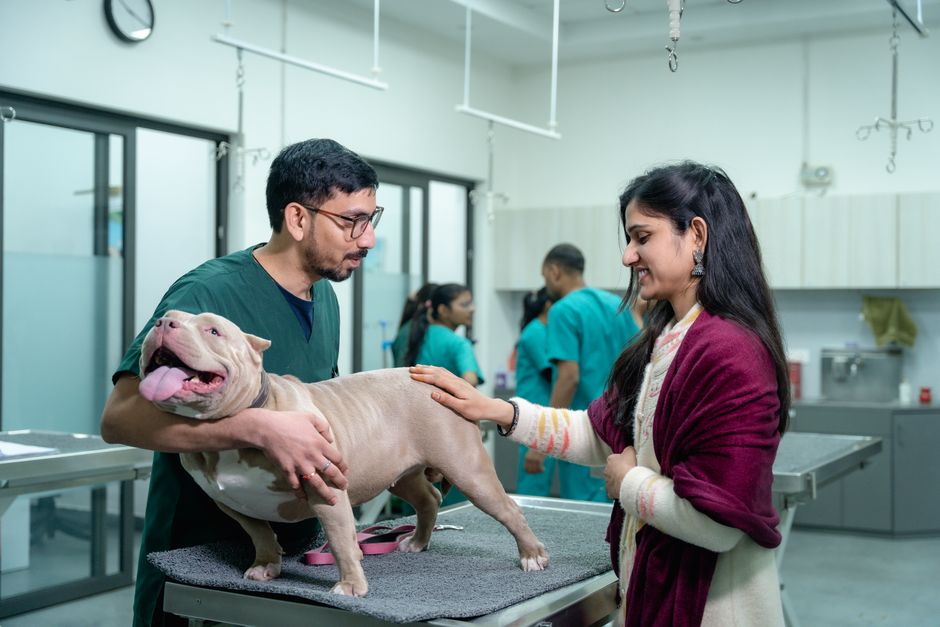
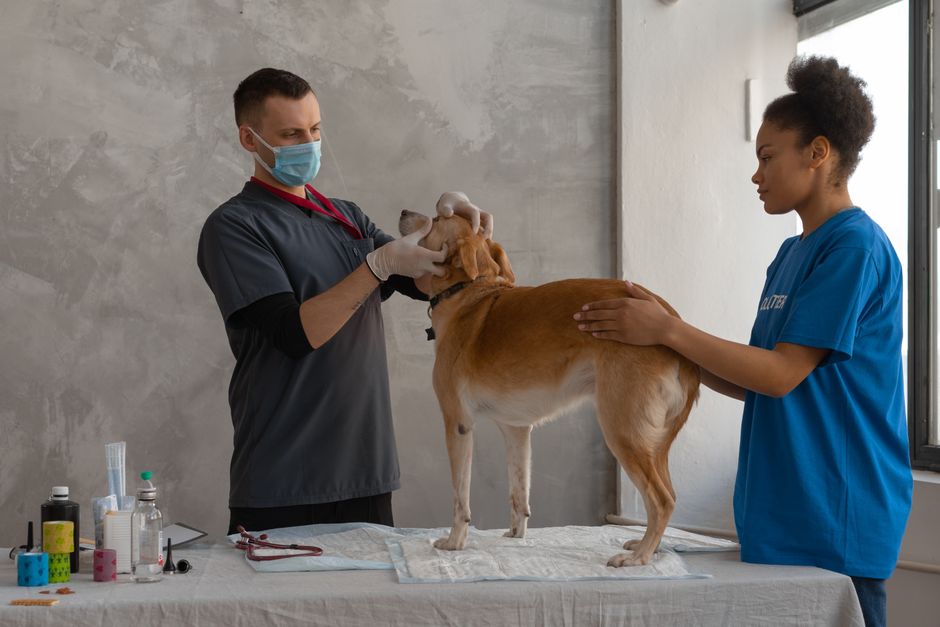
If your pet is struggling with allergy symptoms this spring, our veterinary team at Angel Oak Animal Hospital offers a range of care options tailored to your pet’s needs. Treatment approaches involve identifying the specific allergen, managing symptoms, and strengthening your pet’s overall health. During a wellness examination, we will thoroughly assess your pet’s skin, ears, eyes, and respiratory system to check for any underlying conditions that may be contributing to allergies. For pets with severe or recurring skin issues, our dermatology services provide advanced diagnostic tools and targeted therapies.
Depending on your pet’s symptoms, we may recommend medicated shampoos to soothe itching, prescription medications to control inflammation, or antihistamines to reduce allergic reactions. For pets with secondary infections, antibiotics or antifungal treatments might be necessary. Our veterinarians can also discuss options such as allergy testing or immunotherapy for pets with chronic or severe allergies. In some cases, dietary adjustments or hypoallergenic diets can make a significant difference, especially if food sensitivities are suspected.
Regular check-ups are important to monitor your pet’s response to treatment and adjust their care plan as needed. We encourage pet owners to keep a diary of symptoms and triggers, which can help us identify patterns and tailor therapies more effectively. Our commitment is to provide comprehensive, compassionate care every step of the way.
Preventing Spring Allergy Flare-Ups in Your Pet
Prevention plays a crucial role in keeping your pet comfortable throughout the spring season. Simple steps at home can make a big difference in reducing allergen exposure. Bathing your pet regularly with veterinarian-approved shampoos helps wash away pollen and other irritants that accumulate on their skin and coat. Wiping down your dog’s paws and underbelly after outdoor walks can prevent them from tracking pollen into the house.
Keeping your home environment clean is equally important. Frequent vacuuming, washing pet bedding, and using air purifiers can help control indoor allergens. If possible, limit outdoor activities on high pollen days or during peak pollen times, which are usually early mornings and late afternoons. For pets with known sensitivities, maintaining flea prevention year-round is essential, since flea bites can worsen allergic reactions.
Providing a balanced diet and supporting your pet’s immune health contributes to their resilience against allergies. If your pet is a senior, it may be beneficial to discuss their unique needs with our team, as older pets can develop new sensitivities over time. Our geriatric care services can help address these changing health requirements so your senior pet stays comfortable throughout the season.
When to Schedule a Veterinary Visit for Allergies
While mild allergy symptoms can sometimes be managed at home, there are situations when professional veterinary care is essential. You should schedule an appointment if your pet’s itching or discomfort persists for more than a few days, if you notice open sores or hair loss, or if symptoms worsen despite home management. Other warning signs include repeated ear infections, swelling, difficulty breathing, or gastrointestinal distress such as vomiting or diarrhea.
Pets with underlying health conditions or those who are very young or elderly may be more vulnerable to complications from allergies, so prompt attention is especially important. During a wellness examination, our veterinarians can perform diagnostic tests, recommend appropriate treatments, and help you develop a customized allergy management plan.
If you are ever unsure whether your pet’s symptoms warrant a visit, it is always safer to reach out to our veterinary professionals. We believe that early intervention leads to better outcomes, and we are here to support you and your pet every step of the way.
Keeping Your Pet Comfortable This Spring: Take Action Today
Spring allergies do not have to stand in the way of your pet’s happiness. By staying vigilant for early signs, minimizing exposure to allergens, and working closely with our veterinary team, you can help your pet thrive during the pollen season. If you are searching for a trustworthy "vet near me" in Johns Island, Kiawah, Seabrook, or surrounding areas, Angel Oak Animal Hospital is here to serve you.
We welcome you to schedule an appointment for a thorough allergy evaluation or to discuss preventive care tailored to your pet’s unique needs. You can reach our compassionate veterinary professionals at (843) 559-1838, or visit us at 3160 Maybank Highway, Johns Island, SC 29455. For more information about our dermatology services or to set up your pet’s next wellness examination, explore our website or give us a call.
Your pet’s comfort and health are always our top priorities. Let us help you navigate spring allergy season with confidence and care. If you have questions or notice any concerning symptoms, contact Angel Oak Animal Hospital — we are dedicated to keeping Johns Island’s pets healthy, active, and happy all year long.
This blog is intended for informational purposes only and does not replace professional veterinary care. If your pet is experiencing severe or sudden symptoms, please contact a veterinarian immediately for guidance.