Understanding Pet Oral Surgery: What Pet Owners Should Know

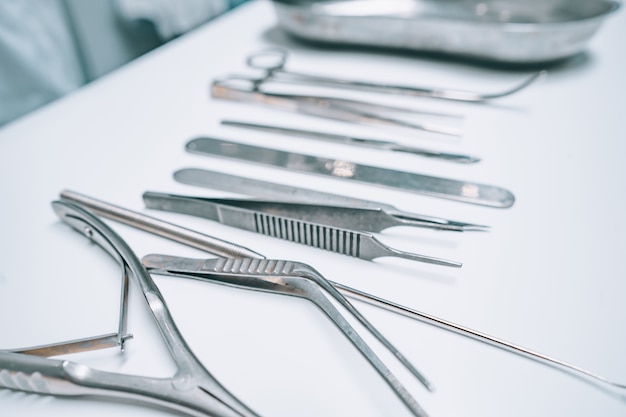
Understanding Pet Oral Surgery: What Pet Owners Should Know
When your pet is in pain or having trouble eating, it can be worrying for the whole family. Dental issues in dogs and cats can lead to discomfort, changes in behavior, and even health risks if left untreated. At Angel Oak Animal Hospital, located at 3160 Maybank Highway, Johns Island, SC 29455, we understand how important your pet’s oral health is to their overall wellbeing. As your trusted local veterinary team, we’re here to help you understand what pet oral surgery involves, why it may be needed, and how our expertise and advanced technology keep your pet comfortable and safe.
In this blog, we’ll walk you through the most common reasons pets require oral surgery, the role of dental radiography for pets in accurate diagnosis, and how we support your pet before, during, and after their procedure. You’ll also learn what signs indicate your dog or cat may need oral surgery, tips for prevention, and how to find the right "vet near me" for dental care. Whether you’re new to the area or searching for quality pet oral surgery in Johns Island, this guide is for you. If you have concerns about your pet’s mouth or teeth, we encourage you to schedule an appointment with our veterinary professionals for a thorough evaluation.
Recognizing When Your Pet May Need Oral Surgery
Pets are experts at hiding pain, which can make it challenging for owners to recognize when something is wrong. However, there are several signs that may indicate your pet could benefit from a dental examination or even oral surgery. Symptoms of dental disease in pets include persistent bad breath, reluctance to eat or chew, dropping food, pawing at the mouth, visible swelling on the face or jaw, and bleeding from the gums or mouth. You may also notice loose or missing teeth, excessive drooling, or a change in temperament, such as irritability or withdrawal.
In some cases, your veterinarian may identify oral issues during a routine wellness exam, even before obvious symptoms arise. Early detection is crucial for successful treatment and can prevent the need for more extensive procedures. If you notice any of these signs or if your pet’s breath suddenly worsens, it’s important to reach out for professional care. Our team at Angel Oak Animal Hospital is experienced in identifying dental problems and recommending the most appropriate next steps for pets in Johns Island, Kiawah, Seabrook, and surrounding areas.
Common Causes of Dental Problems in Pets
Understanding why dental issues develop in pets can empower you to protect your companion’s health. The most frequent causes of dental disease in dogs and cats include plaque buildup, tartar accumulation, and gingivitis. Over time, these problems can progress to periodontal disease, tooth root abscesses, and even bone loss. Certain breeds, especially small dogs and some cats, are more prone to dental issues due to their mouth structure and genetics.
Diet can also play a role in oral health. Pets that eat primarily soft foods may develop more plaque and tartar compared to those who chew dry kibble or dental treats. Age is another factor, as senior pets are more likely to experience oral health challenges. Additionally, trauma, fractured teeth from chewing on hard objects, or congenital issues such as malocclusion can create situations where oral surgery becomes necessary.
Oral tumors, cysts, and severe infections are other reasons pets might require surgical intervention. Our veterinary team uses advanced diagnostic tools, including dental radiography for pets, to accurately assess the extent of dental problems and plan effective treatment. This technology allows us to see beneath the gumline, identify hidden issues, and ensure a thorough approach to your pet’s care.
What to Expect: Pet Oral Surgery Procedures in Johns Island
When your pet needs oral surgery, it’s natural to feel anxious about what the procedure involves. At Angel Oak Animal Hospital, we prioritize your companion’s comfort and safety every step of the way. Our veterinarians will begin with a comprehensive oral examination, often followed by dental x-rays to determine the full scope of the problem. Dental radiography for pets is essential for diagnosing conditions like tooth root abscesses or bone loss that are not visible during a standard exam.
Common pet oral surgery procedures in Johns Island include tooth extractions for fractured or severely diseased teeth, removal of oral tumors or cysts, repair of oral injuries, and treatment of advanced periodontal disease. Some pets require pet tooth extractions if a tooth cannot be saved, while others may benefit from more complex pet oral surgery to address deeper infections or growths.
Before any surgery, your pet will undergo pre-anesthetic bloodwork and a thorough health assessment to minimize risks. Anesthesia is carefully tailored to each patient, with advanced monitoring throughout the procedure. Our veterinarians use gentle techniques and pain management strategies to ensure your pet’s experience is as comfortable as possible. After surgery, we provide detailed home care instructions and schedule follow-up visits to monitor healing. Our priority is a smooth, stress-free recovery for your pet, so you can get back to enjoying time together.
The Role of Dental Radiography for Pets
One of the most significant advancements in veterinary dentistry is the use of digital dental radiography. This technology allows our team to look beneath the surface and identify problems that would otherwise go undetected. Dental radiography for pets is especially important for diagnosing issues such as tooth root abscesses, retained roots, jaw fractures, and changes in the bone due to periodontal disease.
During a dental procedure, our veterinarians take x-rays of your pet’s mouth to evaluate each tooth individually. This helps us make informed decisions about whether a tooth can be saved or needs to be removed. Dental radiographs are also essential for ensuring that all diseased tissue is addressed during surgery, reducing the risk of recurrence or chronic pain.
If you’re searching for comprehensive pet oral surgery in Johns Island or want to learn more about dental radiography for pets, our veterinary team is always available to explain the process and answer your questions. Investing in advanced imaging means more precise treatment for your pet and greater peace of mind for you.
Preventive Dental Care: Keeping Your Pet’s Mouth Healthy
While some dental issues require surgery to resolve, many problems can be prevented or minimized with regular care. Preventive dental care for pets in Johns Island starts with annual wellness exams and professional cleanings. Professional pet dental cleanings remove plaque and tartar before they lead to periodontal disease, while routine check-ups allow our veterinarians to catch minor issues early.
At home, you can support your pet’s oral health by brushing their teeth regularly with pet-safe toothpaste, offering dental chews or toys, and encouraging water intake. Monitoring your pet’s mouth for changes such as red or swollen gums, broken teeth, or reluctance to eat can help you catch problems before they escalate. Remember, while home care is valuable, it does not replace professional veterinary dental services.
If you’re committed to maintaining your companion’s healthy smile, ask our team about enrolling in preventive care programs or scheduling regular dental assessments. By partnering with a "dental vet near me" who understands the unique needs of pets in Johns Island, you can help your pet avoid discomfort and costly procedures in the future.
When to Seek Veterinary Care for Dental Concerns
Knowing when to bring your pet to the veterinarian can make all the difference in their health and comfort. You should schedule an appointment if your pet shows signs of oral pain, such as difficulty eating, pawing at the mouth, drooling, or sudden behavioral changes. Visible injuries, swelling, bleeding, or loose teeth also warrant prompt attention.
Sometimes, dental problems are discovered during a routine exam, even if your pet seems fine. Early intervention can prevent more serious complications and may reduce the need for surgical intervention. If you notice any changes in your pet’s appetite, breath, or overall demeanor, it’s always better to err on the side of caution and consult your veterinarian.
For pets with chronic health issues, immune system concerns, or a history of dental disease, more frequent dental evaluations may be recommended. At Angel Oak Animal Hospital, our veterinary professionals are here to guide you every step of the way, ensuring your pet receives compassionate, expert care tailored to their individual needs.
Supporting Your Pet’s Recovery After Oral Surgery
The recovery process after pet oral surgery in Johns Island is an important part of your companion’s journey back to health. Most pets recover quickly with proper pain management, rest, and a soft food diet as recommended by your veterinarian. You may need to monitor your pet for signs of discomfort, swelling, or reluctance to eat in the days following surgery.
Our team will provide clear instructions on how to care for your pet at home, including medication schedules and what to watch for during healing. Follow-up appointments are crucial to ensure the surgical site is healing well and to address any questions or concerns you may have. If your pet seems unusually lethargic, refuses food for more than a day, or develops swelling or discharge, contact us promptly for guidance.
We are committed to supporting both you and your pet throughout the recovery process, providing reassurance and expertise every step of the way. Your pet’s comfort and wellbeing remain our highest priority.
Choosing the Right "Vet Near Me" for Pet Oral Surgery
Selecting a veterinary clinic for your pet’s dental needs is an important decision. You want a "vet near me" who combines skill, compassion, and advanced technology to deliver the best possible care. At Angel Oak Animal Hospital, we are proud to serve Johns Island, Kiawah, Seabrook, and surrounding areas with a full suite of dental services, from preventive cleanings to complex pet oral surgery.
Our investment in dental radiography for pets, gentle anesthetic protocols, and ongoing education ensures your companion receives modern, effective treatment in a safe environment. We believe in building lasting relationships with pet owners, offering personalized guidance and support throughout your pet’s life. Whether you’re facing a dental emergency or planning routine care, you can trust our veterinary team to put your pet’s health first.
If you’re searching for "pet oral surgery in Johns Island" or quality dental vet near me, we invite you to experience the difference at Angel Oak Animal Hospital. Our convenient location at 3160 Maybank Highway, Johns Island, SC 29455 and our commitment to your pet’s wellbeing make us a trusted resource for families in the area.
Take the Next Step Toward Better Oral Health for Your Pet
Pet oral surgery may sound intimidating, but with the right veterinary team, your pet can enjoy a healthier, happier life free from dental discomfort. By understanding the signs of dental disease, the importance of dental radiography for pets, and the preventive steps you can take at home, you are helping your companion thrive.
If you have noticed signs of oral pain or would like to schedule a dental assessment, contact Angel Oak Animal Hospital today. Our experienced veterinarians are ready to provide expert guidance and compassionate care for every stage of your pet’s oral health journey. To book your pet’s dental evaluation, call us at (843) 559-1838 or visit our website. We encourage you to schedule an appointment and discover why so many local families trust us as their "vet near me" for pet oral surgery in Johns Island.
For more information about our pet oral surgery services, dental radiography for pets, or to learn how we can support your pet’s oral health, reach out to our veterinary professionals today. Your pet’s comfort and health are always our top priorities, and our team looks forward to partnering with you for a lifetime of healthy smiles.