Is It Safe for Dogs to Swim in Johns Island Waters?

Is It Safe for Dogs to Swim in Johns Island Waters?
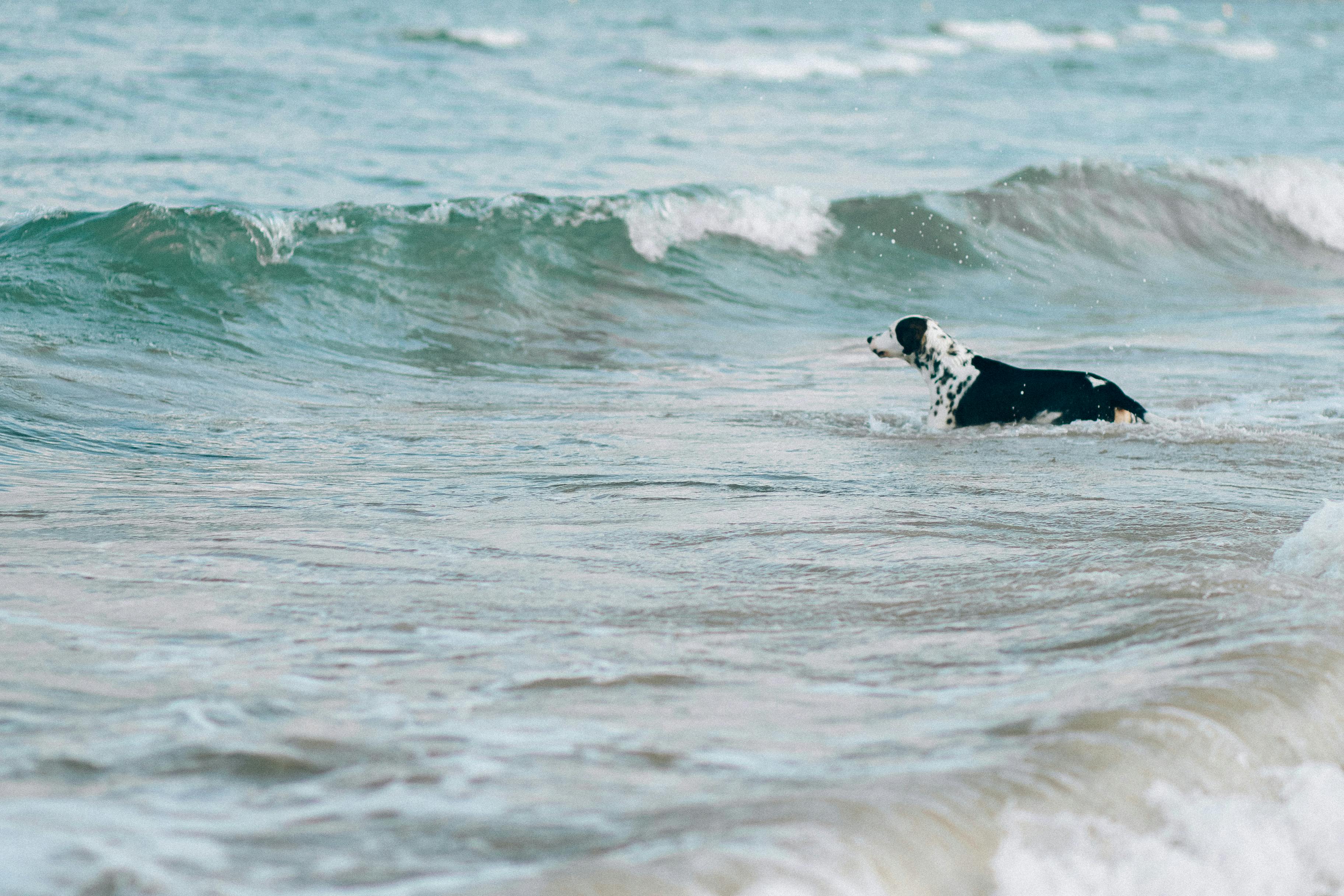
As summertime arrives on Johns Island, many pet owners look forward to outdoor adventures with their dogs, including trips to local rivers, creeks, and beaches. Watching your dog splash and play in the water is a joyful sight, but it is natural to wonder: is it truly safe for dogs to swim in Johns Island waters? At Angel Oak Animal Hospital, located at 3160 Maybank Highway, Johns Island, SC 29455, we frequently receive questions about pets and water safety, especially as the weather warms up. This blog will explore the benefits and potential risks of letting your dog swim in local waterways, offer tips to keep your dog healthy during water play, and help you recognize when it might be best to stick to dry land. We will also discuss how our veterinary team can help protect your pet’s well-being, whether you are planning a watery adventure or responding to a health concern after a swim.
Recognizing When Water Safety Is a Concern for Your Dog
Swimming can be a wonderful form of exercise and enrichment for dogs, but not all pets are natural swimmers, and not all waters are equally safe. It is important for pet owners to recognize when water play might pose a risk to their dog.
Common signs that your dog may be at risk during or after swimming include sudden lethargy, excessive coughing, vomiting, diarrhea, or difficulty breathing after a swim. You should also watch for limping, as sharp shells or debris can cause paw injuries, and keep an eye out for signs of skin irritation, such as redness or persistent scratching. Additionally, dogs with a tendency to drink while swimming or those with underlying health conditions like heart disease, obesity, or arthritis may be more vulnerable to water-related hazards.
If your dog has recently been in the water and develops unusual symptoms, it’s a signal to take their health seriously. Understanding these warning signs can help you act quickly to keep your dog safe and healthy.
What Makes Swimming Risky? Understanding Local Water Hazards
Johns Island and the surrounding Lowcountry are home to beautiful beaches, tidal creeks, and freshwater rivers, but these environments can harbor hidden dangers for dogs. The main risks include waterborne pathogens, harmful algae, saltwater toxicity, and wildlife encounters.
Bacteria and parasites such as leptospirosis, giardia, and certain types of blue-green algae can be present in stagnant or slow-moving water. Dogs can become infected by swallowing contaminated water or through open wounds. Saltwater, while not inherently toxic, can cause serious health problems if your dog drinks too much, leading to salt poisoning, which manifests as vomiting, diarrhea, tremors, and seizures in severe cases.
Harmful algal blooms, often occurring during warm, sunny periods, produce toxins that can be fatal if ingested. The water may appear green, blue, or have a paint-like film on the surface, and affected dogs may show symptoms such as drooling, confusion, muscle tremors, or sudden collapse.
Finally, Johns Island waters can sometimes conceal hazards like sharp shells, fishhooks, jellyfish, or even snakes and alligators, especially in brackish or marshy areas. These threats highlight the importance of closely supervising your dog during any water-based activity.
How Our Veterinary Team Can Help: Treatment and Support for Water-Related Health Issues
If your dog becomes ill or injured after swimming, prompt veterinary care is essential. At Angel Oak Animal Hospital, our veterinarians are equipped to diagnose and treat a range of water-related conditions. Treatment approaches depend on the specific problem but may involve supportive care for dehydration or salt poisoning, wound cleaning and antibiotics for cuts or infections, and medications for gastrointestinal upset or skin irritation.
For example, if your dog shows signs of leptospirosis or another waterborne infection, our team may recommend diagnostic tests and begin treatment quickly to minimize complications. In cases of blue-green algae poisoning, rapid intervention is crucial, as these toxins can act quickly. Supportive treatments for toxin exposure might include intravenous fluids, medications to control seizures, and therapies to protect the liver.
If your dog has ingested or been exposed to something concerning during a swim, do not wait for symptoms to worsen. Early veterinary attention offers your pet the best chance for a full recovery. Our urgent veterinary care services are available to help you respond to sudden illness or injury, ensuring your dog receives timely and compassionate treatment.
Preventing Problems: Home Care and Proactive Steps for Safe Swimming
While there are risks, many dogs can enjoy swimming safely with the right precautions. Before heading to the water, consider your dog’s swimming ability, age, and health status. Some breeds are natural swimmers, while others, such as brachycephalic (short-nosed) breeds or senior dogs, may tire easily or struggle to stay afloat.
Always check the water for visible hazards before allowing your dog to swim. Avoid letting your dog enter water that appears cloudy, has visible algae, or emits an unusual odor. Be cautious after heavy rains, as runoff can increase contamination in local creeks and rivers. Never let your dog drink from saltwater or brackish sources, and bring fresh water for them to enjoy during your outing.
Routine wellness checks are a valuable way to ensure your dog is healthy enough for swimming activities. During a wellness examination, our veterinary team can discuss your dog’s risk factors, update important vaccinations such as leptospirosis, and provide advice tailored to your pet’s needs and your favorite local activities.
After swimming, rinse your dog thoroughly with clean water to remove salt, sand, and any lingering organisms from their coat. Monitor your pet for any changes in behavior, appetite, or energy, and seek veterinary advice if you notice anything unusual.
When to Seek Veterinary Care After a Swim
Knowing when to seek professional help can make all the difference for your dog’s health. Immediate veterinary attention is recommended if your dog develops difficulty breathing, persistent vomiting, seizures, sudden weakness, or collapses after a swim. These symptoms could indicate salt poisoning, algae toxin exposure, or a severe allergic reaction.
You should also contact your veterinarian if your dog shows signs of infection, such as fever, lethargy, loss of appetite, or oozing wounds, especially if they have been swimming in natural water sources. Prompt intervention helps prevent complications and supports a smooth recovery.
For less urgent concerns, such as mild skin irritation or minor cuts, our veterinary professionals can provide guidance on home care and recommend follow-up visits as needed. Trust your instincts as a pet owner; if something feels wrong after your dog’s water adventure, it is always better to err on the side of caution and schedule an appointment with our team.
Keeping Johns Island Dogs Safe: Your Partners in Pet Health
Swimming can be a healthy and enjoyable activity for dogs when pet owners take simple precautions and remain attentive to their pet’s well-being. By recognizing the risks present in Johns Island waters and knowing what to watch for, you can help your dog make the most of summer fun while staying safe. Remember that our team at Angel Oak Animal Hospital is here to support your pet’s health before and after every adventure.
If you have concerns about your dog’s swimming habits, want to ensure your pet is up to date on vaccinations, or need advice on safe outdoor activities, schedule a consultation with our experienced veterinarians. When searching for a veterinarian near me, choosing a practice with comprehensive services and local expertise makes all the difference. To book an appointment or discuss your pet’s specific needs, call us at (843) 559-1838 or visit our clinic at 3160 Maybank Highway, Johns Island, SC 29455. Our dedicated veterinary professionals are proud to serve Johns Island and surrounding communities, helping your dog enjoy every season safely.
This article is intended for informational purposes only and does not substitute for professional veterinary care. If your dog is experiencing a health emergency, contact our clinic immediately or seek emergency veterinary care.