
Flea and Tick Prevention Tips for Johns Island Pets


Flea and Tick Prevention Tips for Johns Island Pets
If you live on Johns Island, you know that the warm, humid summer weather brings more than just beach days and outdoor adventures—it also means fleas and ticks are out in full force. For dogs and cats, these pesky parasites are more than a nuisance; they can transmit dangerous diseases, cause skin issues, and make your furry family members miserable. At Angel Oak Animal Hospital, located at 3160 Maybank Highway, Johns Island, SC 29455, our team of veterinarians is dedicated to helping pet owners protect their companions all year round. In this blog, we’ll cover how to recognize flea and tick problems, why prevention is so important, the best ways to keep your pets safe, and when to seek professional veterinary care. Whether you’re new to Johns Island or have enjoyed many Lowcountry summers, our local expertise ensures you have the tools you need for a pest-free season.
If you’re already dealing with skin problems or suspect a parasite issue, our dermatology services can help with diagnosis and treatment tailored to your pet’s needs.
How to Recognize Flea and Tick Problems in Your Pet
As a pet owner, it’s important to know the signs that your dog or cat might be dealing with fleas or ticks. Fleas are tiny, fast-moving insects that feed on blood and can be hard to spot, especially in thick coats. Common symptoms include frequent scratching, biting or licking at the skin, hair loss, and visible “flea dirt,” which looks like tiny black specks or pepper flakes, especially along the back or base of the tail. Some pets develop red, irritated skin or even develop allergies to flea saliva, leading to more serious discomfort.
Ticks, on the other hand, are larger and may be felt as small bumps while petting your dog or cat. They prefer to attach themselves in hidden spots, such as under collars, between toes, around ears, or in armpits. Signs of tick attachment can include a visible tick, localized swelling or redness, or your pet suddenly favoring a paw. After a tick bite, some pets may seem lethargic or develop a fever—signs you should not ignore.
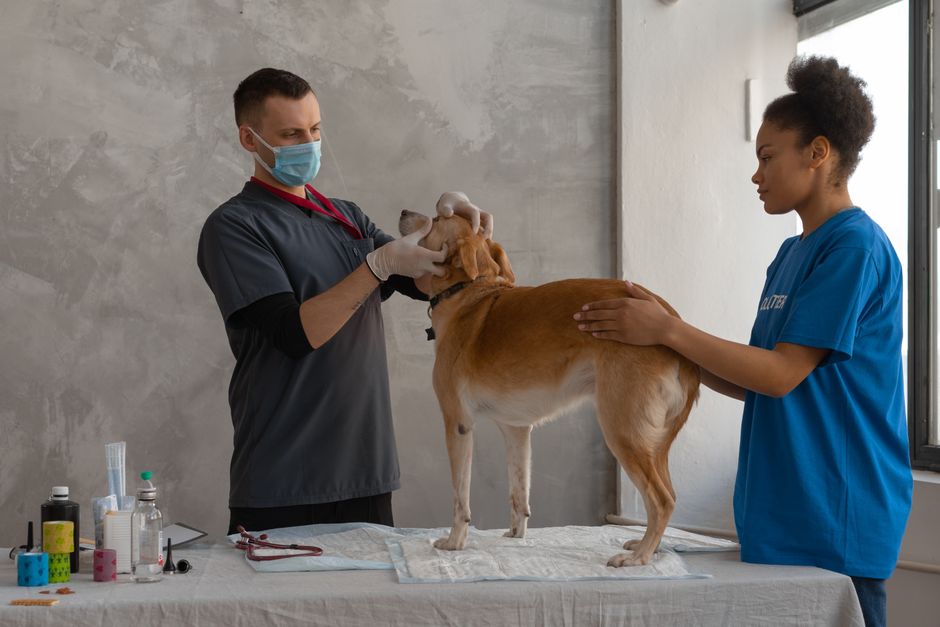
If your pet is showing any of these symptoms, especially during the summer months, it may be time to have a wellness examination to check for fleas, ticks, and other common parasites. Early detection is key to effective treatment and long-term comfort for your pet.
Why Fleas and Ticks Thrive on Johns Island
Johns Island’s climate creates the perfect breeding ground for fleas and ticks. High humidity and warm temperatures allow these parasites to reproduce rapidly, and mild winters mean they can survive year-round. Fleas lay eggs in carpeting, bedding, and outdoor environments, so infestations can escalate quickly if not addressed. Ticks are often found in tall grasses, wooded areas, and even in your backyard, waiting for pets to pass by so they can attach and feed.
Local wildlife such as raccoons, opossums, and deer can carry ticks and fleas onto your property. Even indoor pets are at risk if other animals or humans bring parasites inside. The combination of environmental factors and the popularity of outdoor activities on Johns Island means that consistent prevention is crucial for dogs and cats alike.
Professional Treatment Options for Flea and Tick Infestations
If you discover fleas or ticks on your pet, the first step is to schedule an appointment with your veterinarian. At Angel Oak Animal Hospital, our veterinary team will conduct a thorough examination to confirm the presence of parasites and assess any related skin issues or infections. Treatment approaches may involve prescription flea and tick preventives, medicated shampoos, or topical treatments designed to eliminate existing parasites and prevent future infestations.
For pets with severe skin reactions or secondary infections, we may recommend specialized care, such as dermatology services, to calm irritation and restore healthy skin. In some cases, additional treatments such as antibiotics or anti-itch medications may be necessary. Our clinic also offers advice on treating your home and yard, as effective flea and tick control requires addressing the entire environment, not just your pet.
It’s important to note that not all over-the-counter products are safe or effective for every pet. Our veterinarians will guide you toward the best and safest options for your dog or cat, taking into account age, health status, and lifestyle.
Preventing Fleas and Ticks at Home
Prevention is always easier than dealing with a full-blown infestation. The best way to protect your pet from fleas and ticks is with year-round, veterinarian-recommended preventives. These may include monthly topical treatments, oral medications, or collars that repel and kill parasites before they can bite. Consistent use of these products is especially important in Johns Island’s humid climate, where pests are active almost all year.
In addition to medications, maintaining a clean home environment helps reduce the risk of infestation. Regularly vacuum carpets and upholstery, wash your pet’s bedding, and treat outdoor areas where your pet spends time. Mowing the lawn, removing leaf litter, and keeping bushes trimmed can help minimize tick habitats in your yard.
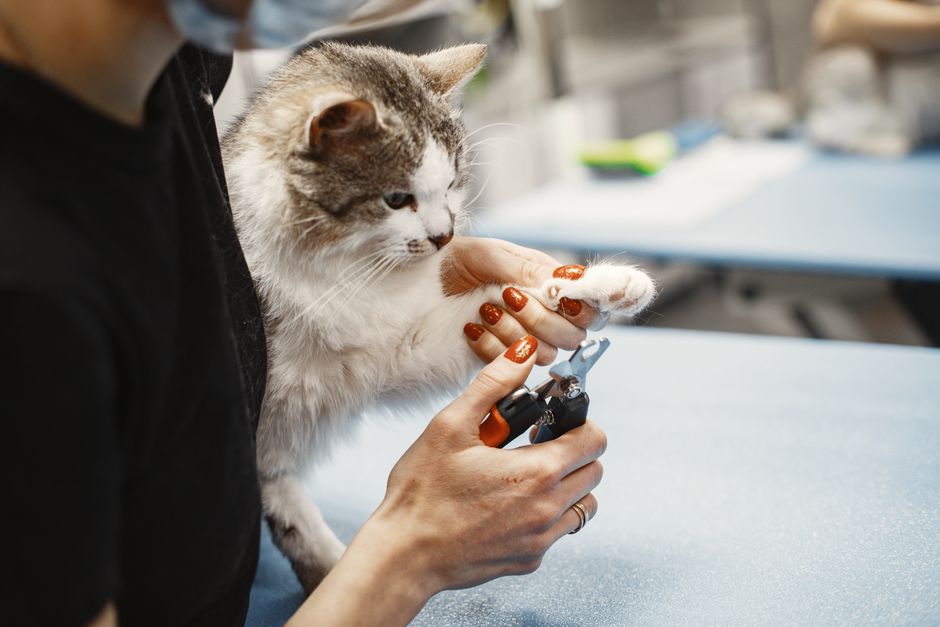
After outdoor activities, especially in wooded or grassy areas, check your pet for ticks and remove any you find promptly and carefully. Early removal reduces the risk of disease transmission. If you are unsure how to safely remove a tick, contact our veterinary team for guidance.
When to Seek Veterinary Care for Flea and Tick Issues
While mild flea or tick encounters can sometimes be managed at home, certain situations require prompt veterinary attention. You should contact Angel Oak Animal Hospital if your pet is experiencing severe itching, hair loss, red or oozing skin, visible distress, lethargy, loss of appetite, or signs of illness following a tick bite. Puppies, kittens, and older pets are especially vulnerable to complications from parasites, including anemia and infections.
If you suspect a severe infestation or your current prevention methods are not working, a veterinary evaluation is essential. Our team can recommend effective products and treatments tailored to your pet’s needs and help you develop a comprehensive parasite prevention plan. For urgent situations, such as suspected tick-borne illness or severe allergic reactions, our urgent veterinary care services ensure your pet receives timely attention.
For ongoing protection, including for aging pets who may have unique needs, our geriatric care services provide preventive care and support to keep your companion comfortable and healthy.
Keeping Your Pet Comfortable and Protected All Summer
With the right prevention strategies, you can enjoy Johns Island’s beautiful summer season without worrying about fleas and ticks causing problems for your dog or cat. Regular use of veterinarian-approved preventives, attention to your home and yard, and prompt action at the first sign of trouble are the keys to success.
If you’re searching for a "vet near me" who understands the unique challenges of pet care in the Lowcountry climate, look no further than Angel Oak Animal Hospital. Our compassionate veterinary professionals are here to help you every step of the way, from routine check-ups to managing complicated skin conditions caused by parasites. To schedule an appointment or speak with our team about flea and tick prevention, call us at (843) 559-1838 or visit us at 3160 Maybank Highway, Johns Island, SC 29455.
For more information about our comprehensive services or to book your next wellness examination, explore our website. Together, we can keep your beloved companion safe, healthy, and comfortable all season long.
Disclaimer: This blog is intended for informational purposes only and is not a substitute for professional veterinary advice. Always consult your veterinarian regarding your pet’s specific health needs and before making changes to their parasite prevention routine.