Heartworm Prevention Tips for Johns Island Pets


Heartworm Prevention Tips for Johns Island Pets
Protecting your pet from heartworm disease is one of the most important responsibilities you have as a pet owner in Johns Island, Kiawah, Seabrook, and surrounding areas. With the mild, humid climate in South Carolina, heartworm-carrying mosquitoes thrive nearly year-round, putting both dogs and cats at constant risk. At Angel Oak Animal Hospital, located at 3160 Maybank Highway, Johns Island, SC 29455, we understand how concerning heartworm can be for families who want only the best for their pets. In this guide, we will share essential heartworm prevention tips tailored for our region, explain why heartworm testing is so crucial, and help you confidently protect your pet’s health, no matter the season.
Throughout this blog, you’ll discover how heartworm disease develops, signs to watch for, and why heartworm prevention in Johns Island is a year-round commitment. We’ll cover the role of professional heartworm testing, provide actionable prevention strategies, and explain when to schedule an appointment with our veterinary team. If you’ve been searching for a “vet near me” to help keep your pet heartworm-free, our compassionate veterinarians at Angel Oak Animal Hospital are here to guide you every step of the way. For more information about our Heartworm Testing and Prevention services, visit our website or call us anytime.
Recognizing the Signs of Heartworm Disease in Pets
Many pet owners are surprised to learn that heartworm disease can be difficult to spot in its early stages, especially in cats. Dogs, being the natural host for heartworms, are more likely to show symptoms as the disease progresses. Early signs in dogs often include a mild cough, fatigue after light activity, decreased appetite, and gradual weight loss. As the infestation worsens, owners may notice more severe symptoms such as persistent coughing, difficulty breathing, reluctance to exercise, and a swollen abdomen due to fluid accumulation.
Cats may show even more subtle or confusing signs. Some cats develop coughing or asthma-like symptoms, vomiting, lack of appetite, or sudden weight loss. In rare cases, the first sign of heartworm disease in cats can be sudden collapse or even sudden death, underscoring just how serious this infection can be.
Key symptoms to watch for in both dogs and cats include coughing, tiredness after mild activity, and unexplained weight loss. If you notice any of these changes in your pet, it’s important to contact your veterinarian right away. Because heartworm disease in Johns Island pets can be so insidious, regular check-ups and heartworm testing are vital for early detection.
Understanding Heartworm Disease: Causes and Local Risks
Heartworm disease is caused by a parasitic worm called Dirofilaria immitis, which is transmitted through the bite of an infected mosquito. When a mosquito carrying microscopic heartworm larvae bites your pet, those larvae enter the bloodstream and eventually migrate to the heart and lungs, where they mature into adult worms. These worms can cause severe lung disease, heart failure, and damage to other organs.
The risk factors for heartworm disease in Johns Island are significant due to our region’s warm climate and abundant mosquito population. Unlike areas with harsh winters, Johns Island’s mild weather allows mosquitoes to remain active for much of the year, increasing the risk of transmission. That’s why heartworm prevention in Johns Island is not just a seasonal necessity; it’s a year-round responsibility for all pet owners in the area.
Pets that spend a lot of time outdoors, live near bodies of standing water, or travel to other parts of the Southeast are especially vulnerable. However, even indoor pets are at risk, as mosquitoes can easily find their way inside homes. Understanding how heartworm disease is transmitted helps reinforce the importance of consistent prevention and regular heartworm testing for every pet.
Professional Treatment and Heartworm Testing in Johns Island
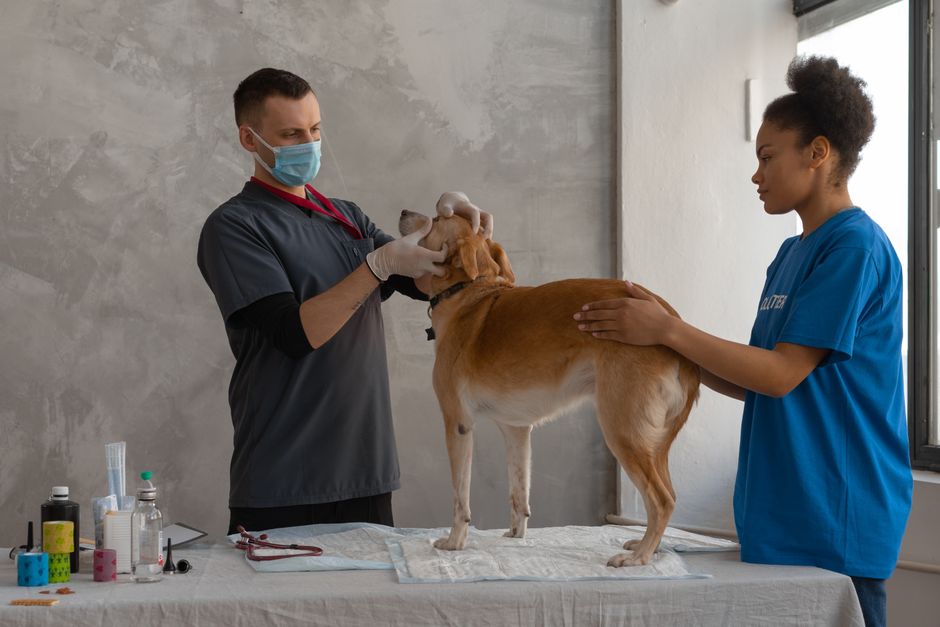
When it comes to heartworm disease, early detection is key. The primary method for identifying heartworm infection is through professional heartworm testing, which is a simple blood test performed by your veterinary team. At Angel Oak Animal Hospital, we recommend annual heartworm testing in Johns Island for both dogs and cats, even if they are on preventive medication. This allows us to catch infections early and adjust treatment plans as needed.
If a dog tests positive for heartworms, treatment involves a carefully managed process that may include medications to kill the adult worms and larvae, as well as strict exercise restriction to reduce the risk of complications. The treatment regimen can be lengthy and costly, and there are potential risks associated with eliminating the worms, depending on the severity of the infection.
For cats, there is currently no approved treatment to eliminate adult heartworms, so prevention and early detection through regular heartworm testing are even more critical. Supportive care may be provided to manage symptoms, but the focus remains on preventing infection in the first place.
Our experienced veterinarians at Angel Oak Animal Hospital utilize the most up-to-date diagnostic methods and follow American Heartworm Society guidelines to ensure your pet receives the highest standard of care. If you’re concerned about heartworm or would like to schedule a test, our Heartworm Testing and Prevention services are designed to protect pets in Johns Island, Kiawah, Seabrook, and surrounding areas.
Heartworm Prevention at Home: What Every Pet Owner Can Do
Prevention is the cornerstone of protecting your pet from heartworm disease. Fortunately, a variety of safe and effective preventive medications are available in the form of monthly chewables, topical treatments, or injectable products. Your veterinarian will recommend the best option based on your pet’s age, breed, lifestyle, and health status.
Year-round heartworm prevention in Johns Island is essential due to the persistent presence of mosquitoes. Skipping even a single dose can leave your pet vulnerable to infection, as it only takes one bite from an infected mosquito to transmit the disease. Consistent administration of preventives is the best way to safeguard your pet’s health.
In addition to medication, pet owners can reduce mosquito exposure by keeping pets indoors during peak mosquito hours, using screens on windows and doors, and eliminating standing water around the home where mosquitoes breed. Regularly cleaning water bowls, birdbaths, and gutters can also minimize risk.
Remember that indoor pets are not immune. Mosquitoes can easily enter homes, so all pets—regardless of their time spent outdoors—should be on a veterinarian-approved preventive plan. Discuss your pet’s unique needs with your veterinary team to develop a prevention strategy that fits your lifestyle and keeps your furry family members protected.
When to Seek Veterinary Care for Heartworm Concerns
Prompt veterinary attention is crucial if you notice signs of heartworm disease in your pet or if you’ve missed preventive medication doses. If your dog or cat displays symptoms such as coughing, difficulty breathing, lethargy, or unexplained weight loss, contact your veterinarian immediately. Early intervention can make a significant difference in the outcome for your pet.
Annual wellness visits are the best opportunity to discuss heartworm prevention with your veterinarian and ensure your pet is up to date with both testing and preventive medications. If you are new to the area or have adopted a pet with an unknown medical history, schedule a comprehensive examination and heartworm test as soon as possible.
For those looking for a “veterinary services near me” in Johns Island, Angel Oak Animal Hospital provides thorough, compassionate care for pets at every stage of life. Our experienced veterinary professionals are always happy to answer questions, offer guidance on preventive care, and help you develop a plan that best protects your pet from heartworm and other regional health concerns.
Protecting Your Pet Year-Round: The Angel Oak Commitment
Heartworm disease is a real threat to pets in Johns Island, Kiawah, Seabrook, and surrounding areas, but with consistent prevention and routine veterinary care, it is entirely preventable. By staying informed, administering monthly preventives without interruption, and scheduling annual heartworm testing in Johns Island, you can give your pet the best chance at a long, healthy, and happy life.
If you have questions about heartworm prevention, would like to schedule a heartworm test, or need guidance on the best preventive for your pet, our team of veterinarians at Angel Oak Animal Hospital is here to support you. We encourage you to schedule an appointment by calling (843) 559-1838 or visit us at 3160 Maybank Highway, Johns Island, SC 29455. For more information on our Heartworm Testing and Prevention services, please explore our website.
You deserve peace of mind, and your pet deserves the best care available. If you’ve been searching for a quality “vet near me” or the most trusted heartworm prevention in Johns Island, Angel Oak Animal Hospital is proud to serve as your partner in pet wellness. Together, we can keep your beloved pets safe from heartworm disease all year long.
This article is for informational purposes only and should not be considered a substitute for professional veterinary care. Always consult your veterinarian for specific medical advice regarding your pet’s health. For additional information on heartworm disease, visit the American Heartworm Society.