Coughing and Sneezing in Pets: When to Seek Veterinary Care

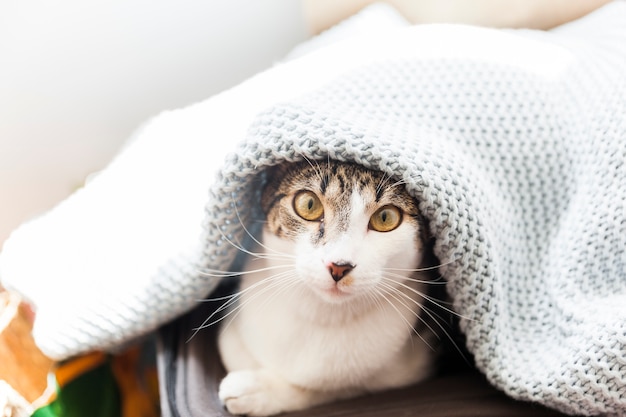
Coughing and Sneezing in Pets: When to Seek Veterinary Care
When your beloved dog or cat suddenly starts coughing or sneezing, it’s easy to worry about what could be causing their discomfort. Is it just a tickle in their throat, or is it a sign of something more serious? At Angel Oak Animal Hospital, serving 3160 Maybank Highway, Johns Island, SC 29455, we know that respiratory symptoms can be concerning for pet owners in Johns Island, Kiawah, Seabrook, and surrounding areas. Understanding the potential causes of coughing and sneezing in pets, and knowing when to seek professional veterinary care, is key to keeping your companion happy and healthy.
In this comprehensive guide, our veterinary team will help you recognize the signs that mean your pet may need a check-up, explain common pet coughing sneezing causes, and provide guidance on when to see a vet for cat cold symptoms or similar issues in dogs. We’ll share what to expect during a wellness examination, discuss prevention, and help you feel confident in managing your pet’s health. If you’re searching for a "vet near me" who takes the time to care for both routine and urgent respiratory concerns, our team is here to help you every step of the way.
Recognizing When Your Pet’s Cough or Sneeze Needs Attention
It’s not unusual for pets to cough or sneeze occasionally, just like people. However, persistent or severe symptoms can be a sign of an underlying health problem that requires veterinary attention. Pet owners often notice that their dog or cat is coughing more than usual, sneezing repeatedly, or exhibiting other changes in behavior or appearance. Key symptoms that suggest something more than a minor irritation include coughing or sneezing that lasts for several days, coughing fits that interfere with eating or sleeping, sneezing accompanied by nasal discharge, or any sign of breathing difficulty. Additional warning signs to watch for are loss of appetite, lethargy, fever, or a noticeable change in your pet’s voice or bark.
For cats, it can be particularly challenging to determine when a cold or upper respiratory infection requires professional care. If you notice your cat is hiding, refusing food, or experiencing watery eyes alongside sneezing, these are strong indicators that it’s time for a veterinary evaluation. Dogs may display similar symptoms, such as persistent gagging, retching, or a honking cough that sounds like a goose. These symptoms should not be ignored, as they could point to contagious infections or more serious health conditions.
Remember, early intervention can make a significant difference in your pet’s recovery and comfort. If you’re unsure whether your pet’s symptoms are severe, scheduling a comprehensive pet exam with our veterinarians can help determine the best course of action.
Understanding the Causes of Coughing and Sneezing in Pets
There are a variety of reasons why dogs and cats develop coughing or sneezing symptoms, ranging from mild irritants to serious illnesses. Among the common pet coughing sneezing causes are respiratory infections, allergies, irritants, and even foreign objects lodged in the airway.
Respiratory infections are among the most frequent culprits, especially in environments where pets are exposed to other animals. Kennel cough in dogs and feline upper respiratory infections in cats are both highly contagious and can spread rapidly in boarding facilities, shelters, or multi-pet households. Viruses, bacteria, and sometimes fungi are responsible for these infections, leading to symptoms such as a persistent cough, sneezing, nasal discharge, and watery eyes.
Allergies can also trigger coughing and sneezing, particularly during certain seasons in Johns Island when pollen counts are high or mold levels rise. Pets may be sensitive to dust, perfumes, cleaning agents, or even certain foods. Other factors, such as smoke from fireplaces or outdoor burning, can act as irritants, especially in a coastal climate where pets spend time both indoors and outdoors.
Foreign bodies, such as grass awns, seeds, or small objects, occasionally become lodged in the nasal passages or throat, causing sudden or violent coughing and sneezing. Additionally, dental disease can sometimes lead to sinus issues that present as chronic sneezing, highlighting the interconnected nature of your pet’s overall health.
Chronic conditions, including heart disease or collapsing trachea in dogs, may also present with coughing as a primary sign. In older pets, age-related changes can make them more susceptible to persistent respiratory symptoms. For those managing senior pets, learning about veterinary care for aging pets can be especially helpful.
Professional Treatment and Management: What to Expect
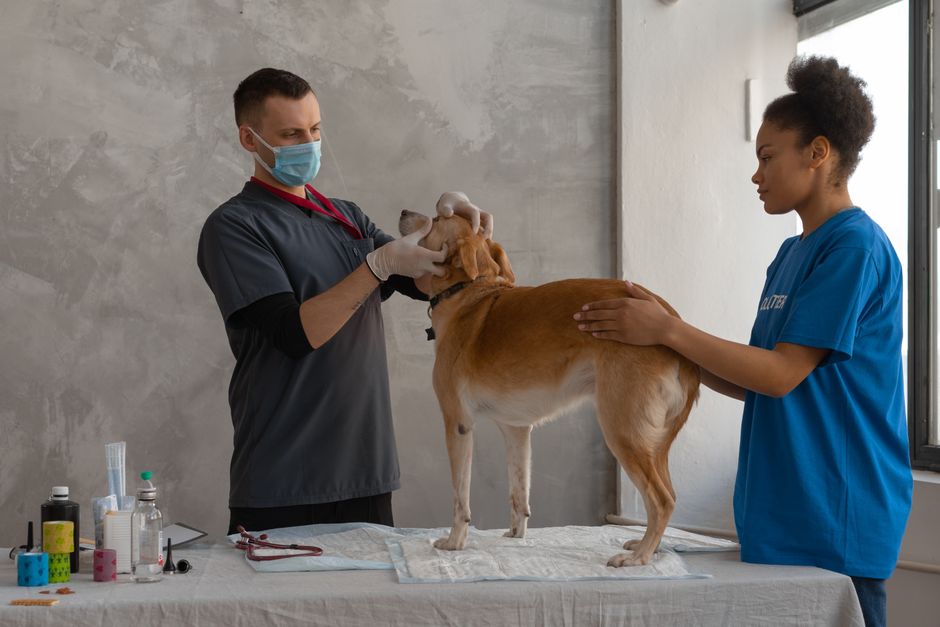
When you bring your pet to Angel Oak Animal Hospital for coughing or sneezing concerns, our veterinary professionals begin with a thorough history and physical examination. During a wellness examination, we ask about the onset and duration of symptoms, recent exposures to other animals, and any changes in your pet’s environment or routine. This helps us tailor our diagnostic approach to your pet’s unique needs.
Diagnostic testing is often necessary to pinpoint the exact cause of your pet’s symptoms. Our in-house pet diagnostic laboratory services in Johns Island enable us to quickly perform blood work, analyze nasal or throat swabs, and obtain digital radiographs or ultrasounds if indicated. These tools help us identify infections, allergies, or more serious underlying conditions efficiently and accurately.
Treatment approaches depend on the diagnosis. For infections, antibiotics or antiviral medications may be prescribed, while allergic pets might benefit from antihistamines or changes in their environment. If a foreign body is found, it may require removal under sedation. Supportive care includes hydration, rest, and appetite support. Pets with chronic or age-related respiratory issues may need ongoing management, which we tailor to support their comfort and quality of life.
Throughout the process, we keep you informed and involved in every aspect of your pet’s care, providing clear explanations and compassionate guidance. We understand that every pet and family is unique, so we strive to create a treatment plan that works best for your situation.
Preventing Coughing and Sneezing: Home Care and Proactive Steps
While not every cause of coughing or sneezing can be prevented, there are proactive steps you can take to protect your pet’s respiratory health. Keeping your pet’s vaccinations up to date is one of the most effective ways to prevent contagious respiratory diseases, especially if your pet is boarded, groomed, or socializes with other animals. Regular wellness visits with your veterinarian help detect potential health issues before they become serious.
Maintaining a clean living environment is also important. Reducing dust, using pet-safe cleaning products, and avoiding smoking indoors can minimize exposure to respiratory irritants. Monitoring for seasonal allergens, particularly during spring and fall in Johns Island, can help identify patterns that might trigger symptoms. For pets prone to allergies or skin issues, exploring veterinary dermatology services may provide additional relief and insight.
Additionally, inspecting your pet’s mouth and nose periodically for signs of dental disease or lodged objects is a helpful habit. Dental health and overall wellness are closely linked, making regular dental cleanings and check-ups part of a comprehensive prevention strategy.
If your pet has a history of respiratory problems, working with your veterinarian to develop a personalized health plan is key. This might include special diets, supplements, or environmental modifications to keep your companion comfortable year-round.
When to See a Veterinarian for Cat Cold Symptoms or Dog Coughs
Knowing when to see a vet for cat cold symptoms or coughing in dogs can be challenging, but there are specific situations that always warrant prompt veterinary attention. If your pet is struggling to breathe, has bluish gums or tongue, collapses, or is coughing up blood, these are emergencies that require immediate care. For less urgent but persistent symptoms, such as a cough or sneeze lasting more than a few days, discharge from the nose or eyes, loss of appetite, or signs of pain, it’s best to schedule an appointment with your veterinarian.
For cats, upper respiratory infections can escalate quickly, particularly in kittens or older cats with weakened immune systems. If your cat is not eating, becomes lethargic, or shows signs of dehydration, timely intervention is crucial. Dogs experiencing a honking cough, especially toy breeds or seniors, may be developing tracheal collapse or heart disease, both of which benefit from early diagnosis.
At Angel Oak Animal Hospital, our veterinarians are experienced in diagnosing and managing a wide range of respiratory conditions. Early veterinary care not only supports a faster recovery but also reduces the risk of complications. If you are ever uncertain, our pet health FAQ can provide general information, but nothing replaces the expertise of a veterinary professional who can evaluate your pet in person.
Conclusion: Prioritizing Your Pet’s Respiratory Health in Johns Island
Coughing and sneezing in pets can be caused by a range of factors, from minor irritations to serious illnesses. By recognizing the signs that warrant attention, understanding common pet coughing sneezing causes, and knowing when to see a vet for cat cold or dog cough symptoms, you can help your pet stay healthy and comfortable throughout the year.
If you notice any persistent or severe respiratory symptoms in your pet, the caring veterinary team at Angel Oak Animal Hospital in Johns Island is here to support you. We encourage you to schedule an appointment for a wellness examination or reach out to discuss your concerns. Our veterinarians are dedicated to providing quality veterinary services near me and comprehensive care for every stage of your pet’s life.
To book your visit or ask questions about your pet’s coughing or sneezing, call us at (864) 806-2806 or request an appointment online. Your pet’s comfort, health, and happiness are our top priorities, and we look forward to being your trusted partner and the best vet near me for your family in Johns Island, Kiawah, Seabrook, and surrounding areas.
This blog is intended for informational purposes only and should not be used as a substitute for professional veterinary care. For personalized advice or emergencies, always consult your veterinarian.