
How a Johns Island Vet Prepares Your Pet for Spring


How a Johns Island Vet Prepares Your Pet for Spring
Springtime on Johns Island brings blooming flowers, milder temperatures, and plenty of opportunities for you and your pet to enjoy the outdoors. However, with the warmer weather also come seasonal health concerns for your furry family members. As a trusted Johns Island vet, Angel Oak Animal Hospital, located at 3160 Maybank Highway, Johns Island, SC 29455, is dedicated to ensuring your pet thrives during this vibrant season. Whether you are worried about pesky parasites, allergy flare-ups, or keeping up with preventive care, our veterinary team offers comprehensive solutions to keep your dog or cat happy and healthy. In this guide, we will walk you through the most common springtime pet health challenges, explain how our veterinarians at Angel Oak Animal Hospital can help, and share practical tips to prepare your pet for the months ahead. By the end, you will know exactly how to keep your companion spring-ready and when to reach out for a wellness examination or specialized care.
Recognizing Springtime Health Concerns for Your Pet
As the Lowcountry landscape bursts into life, certain health issues become more common for pets. Recognizing these challenges early is the first step in ensuring your pet’s comfort and safety throughout the season. Typical springtime concerns include itching or excessive scratching, increased exposure to ticks and fleas, sneezing or watery eyes, sudden changes in appetite or energy, and bad breath or visible tartar on teeth. Additional signs that may indicate a spring-related issue are frequent licking of the paws, new skin rashes, coughing, or unexplained lethargy after outdoor activities. Pets who spend more time outdoors may also be at greater risk for injuries, insect bites, or encountering toxic plants. By staying alert to these changes, you can respond promptly if your pet needs extra support from your Johns Island vet.
When to Pay Special Attention
Some pets are more sensitive to seasonal changes than others. Senior pets, puppies and kittens, or those with chronic conditions may show more pronounced symptoms as the environment shifts. For example, an older dog might develop joint stiffness as the weather oscillates, while a cat with allergies could start sneezing more often once pollen levels rise. If your pet has a history of skin problems, respiratory issues, or dental disease, they may require closer monitoring and preventive veterinary care as spring arrives.
Why Spring Brings Unique Pet Health Risks
Understanding why pets experience more health issues in spring can help you take proactive steps. As temperatures rise, parasites such as fleas, ticks, and mosquitoes become more active, increasing the risk of skin irritation and potentially serious diseases like Lyme or heartworm. For pets in Johns Island, Kiawah, Seabrook, and surrounding areas, the mild climate means parasite season often starts earlier and lasts longer than in cooler regions.
Additionally, pollen from blooming plants, grasses, and trees can trigger allergies in both dogs and cats. Symptoms of seasonal allergies often include red, itchy skin, watery eyes, or sneezing. The increased time spent outdoors also raises the chances of injuries, as pets explore new areas and encounter hazards like sharp sticks, burrs, or unfamiliar wildlife.
Spring is also a time when many pet owners focus on cleaning and gardening, which can inadvertently expose pets to cleaning chemicals, fertilizers, or toxic plants. Even routine activities like walking in the park can present unexpected risks, such as stepping on sharp shells or ingesting harmful substances left behind by other animals.
Knowing these seasonal risks allows you to work closely with your Johns Island vet to create a tailored preventive care plan that addresses your pet’s unique needs.
How Our Johns Island Vet Team Addresses Springtime Pet Health
Our veterinary professionals at Angel Oak Animal Hospital take a comprehensive approach to helping pets thrive during the spring. From preventive care to advanced diagnostics, we offer a range of services designed to address the most common seasonal challenges.
Comprehensive Wellness Exams
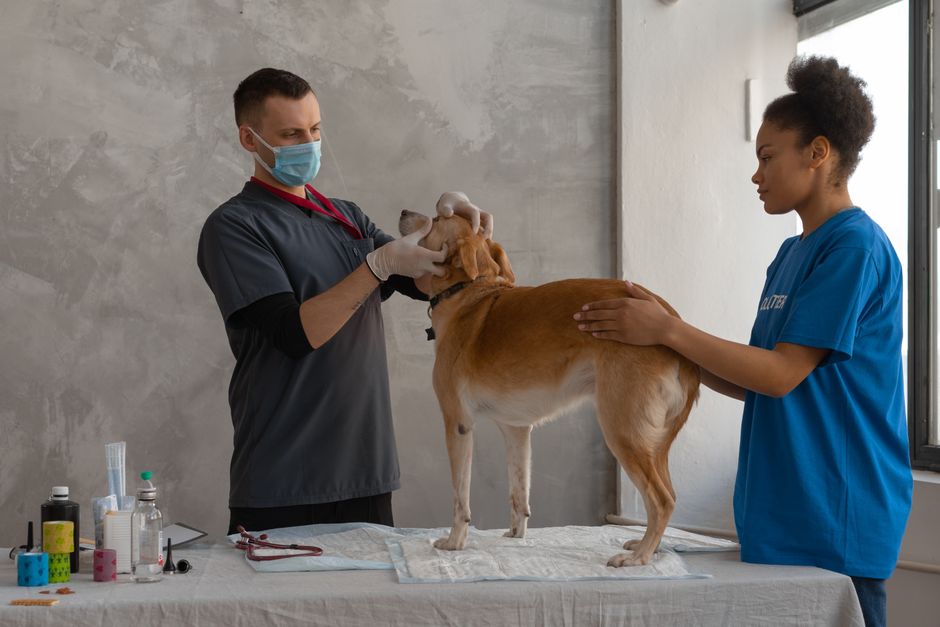
A spring wellness exam is one of the most effective ways to catch emerging health issues before they become serious. During your pet’s exam, our veterinarians perform a nose-to-tail evaluation, checking for signs of allergies, skin problems, dental disease, and overall health status. We also discuss your pet’s lifestyle, outdoor activities, and any changes in behavior you have noticed. If you would like to learn more about what is included in a comprehensive pet exam, our team can provide additional details and answer your questions.
Preventive Vaccinations and Parasite Control
Spring is the perfect time to ensure your pet’s vaccinations are current. Our Johns Island vet team reviews your pet’s immunization schedule and recommends updates based on local risks. Vaccines protect against contagious diseases that can become more prevalent as pets interact outdoors. We also emphasize the importance of year-round parasite prevention, especially as fleas, ticks, and mosquitoes become more active. Heartworm disease is a significant concern in the Lowcountry; if you are interested in learning about heartworm prevention and testing, our veterinary team can help you select the best options for your pet’s needs.
Dental Cleanings and Oral Health
Spring is also an ideal time to address your pet’s dental health. Dental disease is a common, often overlooked issue that can affect pets of all ages. Bad breath, visible tartar, red gums, or difficulty eating may indicate your pet needs professional attention. At Angel Oak Animal Hospital, we provide pet dental cleanings that remove plaque and tartar, helping to prevent pain and tooth loss. Regular dental care not only improves your pet’s quality of life, but also reduces the risk of systemic health problems linked to oral bacteria.
Allergy Management and Skin Care
If your pet struggles with allergies during the spring, our veterinarians offer targeted diagnostics and treatment plans. We evaluate skin and ear health, recommend safe medications or topical treatments, and suggest dietary adjustments if necessary. By working together, we can minimize your pet’s discomfort and keep them active all season long.
Home Care Tips to Keep Your Pet Spring-Ready
While professional veterinary care is essential, there are many steps you can take at home to support your pet’s wellbeing in the spring. Begin by inspecting your pet’s coat and skin regularly for any signs of irritation, lumps, or parasites. Brushing your dog or cat more frequently helps remove pollen and loose fur, reducing shedding and allergic reactions.
Bathing your pet with a veterinarian-approved shampoo can help soothe itchy skin and wash away allergens. Always use products specifically designed for pets, as human shampoos may cause irritation. Make sure your pet’s bedding is washed regularly, and vacuum your home to reduce the accumulation of allergens and flea eggs.
Monitor your pet’s outdoor time, especially during peak pollen hours or after rain, when parasites are most active. Check their paws and fur after walks, removing any debris or ticks promptly. If you use lawn treatments or garden chemicals, keep your pet away from treated areas until it is safe.
Maintain a consistent parasite prevention routine as recommended by your Johns Island vet. Giving heartworm preventives, flea and tick medications, and scheduling regular veterinary visits are key steps in preventing serious illnesses.
For pets with dental concerns, brushing their teeth at home using a pet-safe toothpaste can complement professional cleanings. Your veterinary team can demonstrate the best techniques and recommend products tailored to your pet’s needs.
When to Contact Your Johns Island Vet for Springtime Issues
Knowing when to seek veterinary care is crucial for keeping your pet healthy during the spring. Schedule an appointment with our veterinary team if your pet experiences persistent itching, hair loss, red or swollen skin, coughing, or difficulty breathing. Additional reasons to contact us include sudden changes in appetite or behavior, limping or signs of pain after outdoor play, vomiting or diarrhea, and evidence of parasites such as fleas or ticks. Dental problems, including bad breath, drooling, or reluctance to eat, also warrant prompt attention.
Some situations require urgent care, such as allergic reactions with facial swelling, difficulty breathing, or collapse. If you notice these symptoms, do not wait—call our clinic or visit an emergency veterinary hospital immediately.
For most spring-related concerns, our veterinarians at Angel Oak Animal Hospital can provide effective, compassionate care that gets your pet back on track. Regular wellness exams, up-to-date vaccinations, and preventive treatments are your best defense against seasonal threats.
Spring Wellness Starts With Your Johns Island Vet
Preparing your dog or cat for the spring is about more than just enjoying the sunshine together—it is about protecting their health so they can share every adventure by your side. From comprehensive wellness examinations and pet dental cleanings to targeted heartworm prevention and testing, our veterinary professionals at Angel Oak Animal Hospital are here to support every aspect of your pet’s wellbeing.
If you are searching for a reliable vet near me or want to make sure your pet is truly spring-ready, schedule an appointment with our dedicated Johns Island vet team today. We welcome new and returning clients from Johns Island, Kiawah, Seabrook, and surrounding areas, and we are always ready to answer your questions or provide guidance if concerns arise. Call us at (843) 559-1838 or visit us at 3160 Maybank Highway, Johns Island, SC 29455 to discover how we can help your pet thrive this season and beyond.
Medical Disclaimer: The information in this blog is intended for educational purposes only and does not replace professional veterinary advice. Always consult with your veterinarian regarding specific concerns or before starting new treatments for your pet.